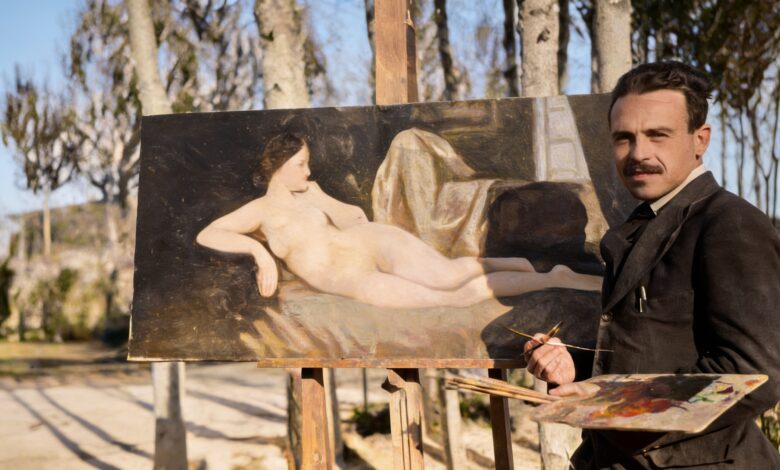
A new debate over the memory of victims of Francoism is unfolding in Spain: the Sumar party has submitted an initiative to Congress for the rehabilitation of Domingo Cipriano Salvador Gijón, a teacher and writer who was falsely accused by the Franco regime of destroying a 16th-century painting. The case concerns La Santa Generación—a work by Yáñez de la Almedina, a pupil of Leonardo da Vinci—which Salvador rescued from looting during the Civil War, but later became the victim of false accusations.
According to materials submitted by Sumar, Salvador was tasked by Republican authorities with safeguarding cultural heritage in the province of Ciudad Real. He removed a valuable icon from the altar of a church in Almedina and kept it in his care until 1938, when the artwork was sent to Barcelona to protect it from the fighting. After the war, the painting ended up in Villanueva de los Infantes, where a local priest, taking advantage of a mistake in size description, passed it off as a different piece and sold it to the Prado Museum. By 1941, the masterpiece was already on display in the Madrid gallery.
The regime’s mistake and its consequences
Although the artwork survived, Salvador was arrested by the Falangists and accused of its destruction. He was sentenced to death, which was later commuted to 30 years in prison and hard labor. In 1946 he was amnestied, but the authorities did not acknowledge their mistake and expelled him from his home region. Salvador died in 1975 in Toro, never having seen his name publicly cleared.
Historian José López Camarillas, who has studied Salvador’s fate, notes that the teacher’s tragedy was kept silent for a long time and the true circumstances of the painting’s sale were known only to a select few. It was only in 2020, during research into repression in Almedina, that the details of this story were recovered. López Camarillas emphasizes that Salvador risked his life to save religious heritage, but became a victim of political repression.
Demands to the authorities and the museum
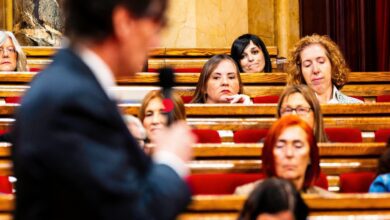
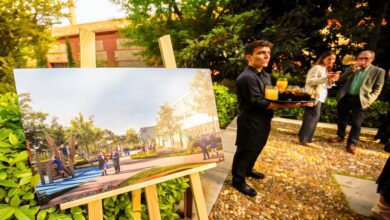
Sumar now proposes holding an official act recognizing Salvador’s achievements and returning his name to the people of Almedina. The proposal calls on the government to organize a ceremony with the transfer of an exact copy of the painting and the installation of a commemorative plaque. The Prado Museum is urged to supplement its informational materials with details about the origins of La Santa Generación and Salvador’s role in its preservation.
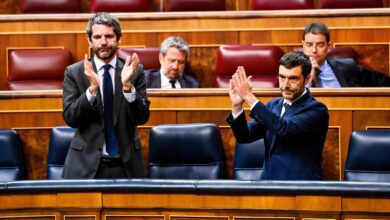
Izquierda Unida deputy Engracia Rivera, who supported the initiative, believes that restoring justice is important not only for Salvador’s family but for the entire province. Rivera emphasizes that returning even a copy of the painting to Almedina will be a symbolic step in recognizing the teacher’s contribution to preserving cultural heritage.
Context and reaction
The issue of returning works of art relocated during the Civil War remains a sensitive one in Spain. Recently, a dispute flared up in León over the Lamparilla award due to its ties to the Francoist past — details of this conflict can be found here. The Salvador case stands out because, for the first time at the state level, not only the fate of a repressed republican is being discussed, but also the recognition of the regime’s mistakes regarding the preservation of national art.
An open-air museum dedicated to Salvador has already been created in Almedina, where copies of his works are displayed on the facades of houses. However, La Santa Generación has not yet been recreated—local residents hope that the Sumar initiative will help restore at least a symbolic part of the lost heritage and achieve justice for their fellow countryman.