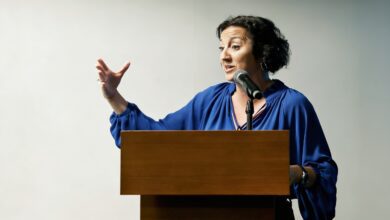
In Andalusia, the conflict is escalating between families of children with special educational needs and the regional authorities. Parents, united on a platform, have held a series of protests in various provinces, and on the eve of the election campaign launch, gathered for a regional demonstration in front of the government building in Seville. Their main demand is to ensure that their children are not left without proper support and are not treated as “second-class students.”
Lack of specialists and resources
According to family representatives, the situation with providing inclusive education in Andalusia remains critical. Parents note a shortage of specialists—therapeutic education teachers, integration technical staff, and specialists in hearing and speech. In addition, there is no clear system for distributing workloads: one specialist is forced to work with multiple classes, and children receive support for only a few hours per week. Parents emphasize that a lack of staff stability leads to constant turnover of specialists, which negatively affects children’s development.
Authorities do not respond to appeals
Despite numerous appeals to the regional Ministry of Education, families do not receive responses and are forced to demand change through public demonstrations. Representatives of parent associations report that even after meetings with officials, decisions are not made, and promises remain only on paper. According to parents, in some cases officials openly question the need for additional support for children with autism and other developmental disabilities.
Political promises versus reality
Ahead of the elections, all major parties included in their platforms promises to increase funding for inclusive education and expand the staff of specialists. However, parents remain skeptical, noting that such promises have been made before and real change has not occurred. In particular, the issue of preserving specialized centers is being discussed, which, according to some families, leads to segregation rather than real integration of children into mainstream schools.
A constant struggle for rights
Many families are forced to transfer their children from one educational institution to another in search of more suitable conditions. Even in inclusive schools, parents encounter the need for lengthy approvals from authorities to open additional specialized classes. According to one mother, over six years of schooling her daughter went through 15 technical specialists and 12 homeroom teachers, which makes it impossible to build stable support.
The authorities of Andalusia report an increase in funding: in 2026, €636 million have been allocated to support children with special needs, with average annual spending per student of this category at €7,500. However, as parents point out, these funds do not reach individual classrooms, and the number of children with special educational needs has grown by 300% in recent years.
The issue of inclusive education in Spain is not limited to Andalusia alone. Other regions are also adopting measures that affect the accessibility and quality of educational services. For example, courts in Valencia recently upheld restrictions on gambling establishments near schools, setting an important precedent for protecting students’ interests — you can read more about this in the material on court rulings in Valencia.