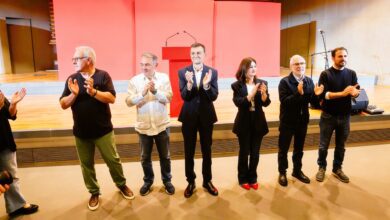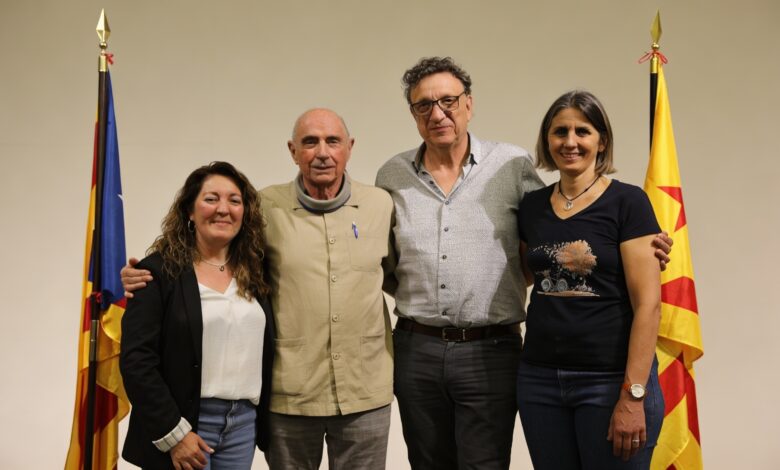
A significant reshuffle has taken place in the leadership of the Assemblea Nacional Catalana (ANC) in Catalonia: at a meeting in Igualada, Josep Vila was elected the new president of the organization. He replaces Lluís Llach, who declined to run for another term due to health reasons and will now serve as vice president. The decision comes as the ANC seeks to renew its structure and return the issue of independence to the forefront of public debate.
Vila received 39 out of 58 votes, allowing him to confidently surpass the required two-thirds majority. The new president has set a priority of building broad social support for the idea of Catalan independence. According to him, only active assemblies, distributed throughout the territory, are able to mobilize citizens and put pressure on political parties.
A course for renewal
The leadership change is accompanied by an announcement of a deep internal reform of the ANC. The organization intends to become more flexible and better adapted to current political conditions. Key areas of focus remain the protection of the Catalan language and the fight against what the ANC describes as the “fiscal, cultural, social and national exploitation” of Catalonia.
Lluís Llach has become vice president, while Ariadna Heinz and Blanca Curria have taken the posts of secretary and treasurer, respectively. Josep Vila, born in 1959, is known as a teacher, activist, and former head of the youth territorial services in Girona. He has also worked at the University of Girona in management positions.
Context and significance
Leadership rotation in the ANC takes place amid ongoing debates about the future of the Catalan independence movement. The organization emphasizes that only with the support of the majority of citizens can real influence be exerted on political processes. In this context, the ANC is focusing on energizing its territorial structures and renewing its working methods.
Issues of leadership and the rotation of key figures in Spanish organizations regularly attract public attention. For example, the fate of the head of the prosecutor’s office was recently discussed in Madrid after a high-profile case, which also highlights the importance of personnel decisions for the country’s political dynamics — more details on this can be found in the article on personnel changes in the Madrid prosecutor’s office.
Background
Assemblea Nacional Catalana is one of the largest civic platforms advocating for the independence of Catalonia. The organization regularly holds mass rallies and takes part in social campaigns, influencing the region’s political agenda.