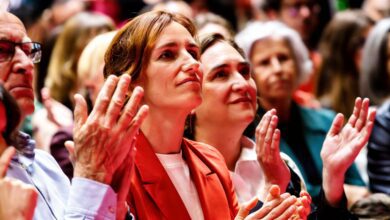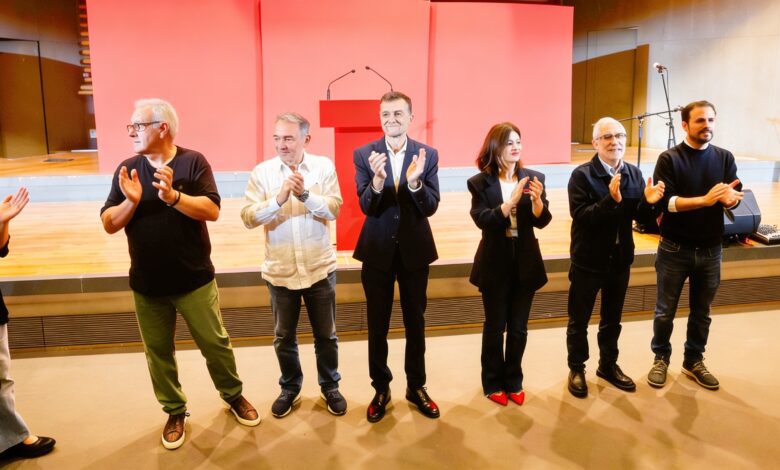
A landmark event took place in Madrid for Spanish politics: Izquierda Unida celebrated its 40th anniversary, bringing together the last four coordinators of the organization on one stage. Current leader Antonio Maíllo addressed 300 supporters, emphasizing that the left now faces a critical moment—maximum unity is needed to counter the rise of far-right tendencies and maintain influence over the country’s political agenda.
Unity Against Threats
Maíllo stated that Izquierda Unida must become a tool capable of uniting the fragmented leftist forces. According to him, only collective action can stop the advance of the far right and defend the achievements of recent decades. He stressed the importance of engaging migrants in party life so the organization reflects modern Spanish society. That same day, Maíllo expressed confidence that change is possible in Andalusia despite the strong position of Partido Popular, emphasizing: “Now is not the time to regret the past, but to act decisively.”
International Context and New Challenges
During the event, there were speeches by Minister of Youth and Children Sira Rego, PCE leader Enrique Santiago, and head of political strategy Marga Ferré. Special attention was paid to the international situation: Rego strongly condemned Israel’s actions in Palestine and accused world leaders of fueling conflict escalation. Santiago reminded those present of the need for joint action by all left-wing factions, including ERC, EH Bildu, Comuns, Podemos, and Movimiento Sumar, quoting Dolores Ibárruri’s historic warning about the dangers of fascism to society.
History and Transformation of Izquierda Unida
The anniversary served as an occasion to recall the organization’s journey: from its founding in 1986 amid protests against Spain’s entry into NATO to its current attempts to adapt to new political realities. Ferré noted that Izquierda Unida has always combined street activism with institutional work, but now competes with other left-wing parties. Key moments were also mentioned: the party’s best-ever election result in 1996, internal disagreements over the Maastricht Treaty, and the loss of ground following the rise of Podemos. Despite the fact that in 2024 the party failed to win seats in the European Parliament for the first time, it still maintains representation in Congress and regional parliaments, and manages a number of municipalities.
Memory and Symbols
At the end of the evening, participants honored the memory of the first coordinators, Gerardo Iglesias and Julio Anguita, and watched a video about key events of the past 40 years. The song ‘Grândola, Vila Morena’ was performed on stage, symbolizing solidarity and the struggle for democracy. On the same day, Portugal celebrated the 52nd anniversary of the Carnation Revolution, giving the event additional symbolism.
The issues of left-wing unity and their role in Spain’s future remain central. As a recent analysis showed on the impact of the ERC initiative on the balance of power, coordination between parties is becoming a key factor in forming a sustainable alternative to the right.