Events surrounding Juan Carlos I have once again captured the attention of Spaniards. His 2019 pledge to completely withdraw from public life now raises questions about trust in the monarchy and the stability of the institution. The impact of his decisions is felt not only within the royal family but also in society, where boundaries of personal responsibility and public conduct for former leaders are actively discussed.
The letter and its aftermath
In May 2019, Juan Carlos I sent his son a letter announcing his intention to withdraw from public life. This statement came on the fifth anniversary of his abdication, which followed a series of scandals related to the Nóos case and financial ties with Corinna Larsen. As noted by El Pais, the letter was published with Juan Carlos I’s consent, giving it particular weight in the eyes of the public.
However, a few months later, it became clear that the real reasons for his departure were linked to financial investigations. In early 2020, it emerged that Felipe VI had been named a beneficiary of two foundations, Zagatka and Lucum, the latter under investigation for a transfer of 64.8 million euros from Saudi Arabia. In response, Felipe VI renounced any possible inheritance and stripped his father of the official annual payment of nearly 200,000 euros.
The palace explained that Felipe VI learned of his status as a beneficiary in March 2019 and formally renounced the inheritance by notarial deed as early as April. Thus, Juan Carlos I announced his withdrawal from public life less than two months after breaking economic ties with his son. The former king himself insisted that he had not informed his son about the existence of the funds and reiterated his promise to fully step away from public life.
Life in exile
In August 2020, as the pandemic was gaining momentum, Juan Carlos I left Spain, stating that he wished not to interfere with his son’s work as head of state. He settled in a luxurious residence on Nurai Island in Abu Dhabi, where, according to El Pais, he lives as a guest of the local royal family. Despite having no official income, the former monarch continues to lead a lifestyle far from modest, flying on private jets and not disclosing his sources of funding.
He was expected to spend his later years away from the Spanish public, but by the end of 2020, circumstances had changed. His entourage paid nearly €680,000 to the Spanish tax authorities to avoid criminal charges. Later, there was another voluntary tax payment—this time over four million euros for undeclared in-kind income. At the same time, three investigations remained open, including a possible illegal commission related to the construction of the Mecca railway. In March 2022, the Supreme Court closed all cases, citing the statute of limitations and the immunity of the former head of state.
Return and new confrontations
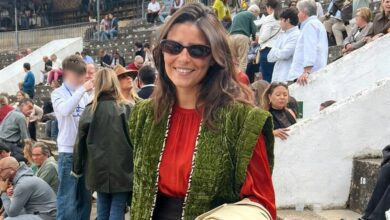
After the investigations were closed, Juan Carlos I returned to Spain to take part in a regatta in Sanxenxo. His appearance sparked intense media and public reaction. Since then, his public outings have increased: he attended sporting events, family celebrations, medical check-ups, and even a bullfight. Last November, he was not invited to official ceremonies marking the 50th anniversary of the monarchy’s restoration, but the release of his memoir ‘Reconciliación’ overshadowed the anniversary itself. In the book, the former king openly expresses his dissatisfaction with his current status, blaming Queen Letizia for a lack of family unity and accusing the government of attempts to discredit his name.
He claims that his visits to Spain depend on the Palace’s permission, and also complains about being deprived of his pension and unable to leave an inheritance for his descendants. He directs reproach toward Felipe VI for the withdrawal of financial support and reminds him that the current political system was established by him. Despite stating he does not want to interfere with his son, Juan Carlos I continues to appear in public, and his return to Spain now depends on whether he can once again reside at La Zarzuela and restore his tax residency.
According to El Pais, Juan Carlos I’s biographer Laurence Debray emphasizes that to regain tax residency, the former king must live in his residence. However, the Palace insists on strict adherence to all formalities. As a result, the promise made in 2019 was never fulfilled: Juan Carlos I has not retired from public life, nor does he intend to.
Context and Similar Cases
In recent years, Spain has repeatedly faced situations where former leaders or members of the royal family returned to the public spotlight after making high-profile promises to step away. For example, Juan Carlos I’s participation in regattas in Galicia and his delayed return to Abu Dhabi were explored in detail in an article about changes in the former monarch’s schedule and the Spanish public’s reaction to his appearances — details on the reasons and consequences of these visits sparked widespread public response. Such cases highlight how difficult it is for former government officials to completely step out of the spotlight, especially when their decisions impact not only their personal lives but also the public sphere.
In recent years, Spain has seen other high-profile cases concerning public promises and their failure to be fulfilled. There have been instances when politicians or members of the elite announced their complete withdrawal, only to return to active public life later. These examples demonstrate that public trust in government institutions largely depends on the transparency and consistency of their representatives’ actions.