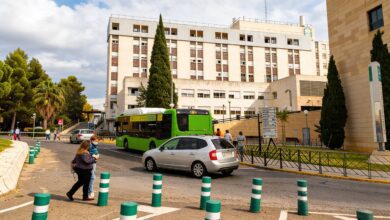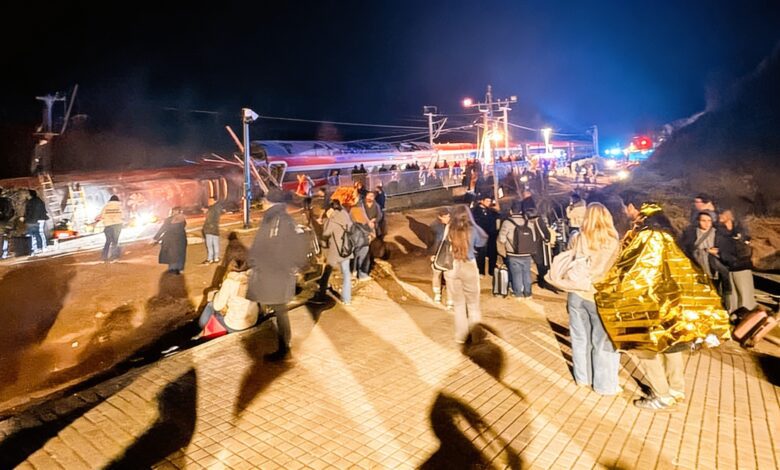
An incident in Malaga has once again drawn attention to the aftermath of a major railway disaster in Andalusia. A woman who was seriously injured in the train collision near Adamuz (Córdoba) has become a mother, despite spending a long time in intensive care. According to El Pais, the baby is doing well and the patient remains under medical supervision.
This is the only case in which a victim of the accident is still hospitalized. Nearly four months have passed since the tragedy, and most of the injured have already been discharged. However, the fate of this woman, Ana Garcia’s sister, has been particularly challenging. She suffered a severe head injury while trying to protect her pet during the crash. The story of the search for Boro, the dog that disappeared after the disaster, brought together volunteers and Seprona staff. The animal was found four days later, marking a rare example of a successful rescue operation.
Aftermath of the accident
The Adamuz train crash claimed the lives of 46 people. Most of the victims died at the scene, and another woman passed away in hospital several days later. In total, 126 passengers received medical attention, including five children. Except for one patient, all have now returned home. According to El Pais, the tragedy is among the most serious the region has experienced in recent years.
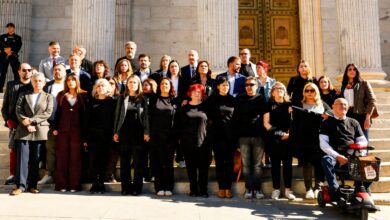
Families of the victims and survivors have formed an association to demand an investigation into the actions of emergency services in the first hours after the accident. They have already filed a lawsuit requesting an audit of how efficiently medical aid was organized. Questions remain about the response teams’ performance, as the lives of many victims depended on their actions.
Personal and social
The story of the Garcia family received wide coverage in Spanish media. Ana Garcia, the sister of the injured woman, took an active part in searching for the dog and shared updates about her relative’s condition. Her emotional appeals to the people of Andalusia resonated with many, and the rescue of Boro became a symbol of hope amid the tragedy. In the carriage where the sisters and their relative were, events unfolded rapidly, and the attempt to protect the animal led to serious health consequences for one of the passengers.
Recalling other cases involving children and emergencies, it’s worth noting that recently in Calatayud, police detained the parents after traces of drugs were found in their infant. This incident also sparked public outcry and discussions about the living conditions of children in Spain. Read more about the situation in the article on the inspection of infants’ living conditions in Calatayud.
Context and trends
In recent years, Spain has faced a series of major transport accidents, raising concerns about safety and the efficiency of emergency services. Railway incidents often have far-reaching consequences for families and call for a review of response standards. Authorities in Andalucía have begun evaluating the actions of emergency teams and developing new protocols to prevent similar tragedies.
At the same time, community organizations and families of the victims continue to seek justice and advocate for better emergency care. Cases such as the birth of a child to a woman who survived a disaster have become symbols of resilience and hope for the region. Attention to detail and strong community support are crucial in overcoming the aftermath of such events.
Railway disasters in Spain are not uncommon, and each leaves a lasting impact on the lives of victims and their families. In 2024, a tourist bus fell off the road in La Gomera, resulting in numerous casualties and renewed scrutiny of rescue operations. Incidents like these highlight the need for constant safety oversight in transport and readiness for emergencies. The issues raised after the accident near Adamuz remain relevant across the country.