A breath-based ignition lock is forcing convicted drunk drivers in Australia to prove sobriety before every trip. The system records every failed attempt and random test, with harsh penalties for violations. Here is how it works and why Europe is watching.
In Australia, a single failed breath test is enough to keep a car from starting if it’s fitted with an Alcohol Interlock. For drivers with a drunk driving conviction, this device isn’t optional. It’s a required step before every trip, and it’s changing how repeat offenders get back on the road.
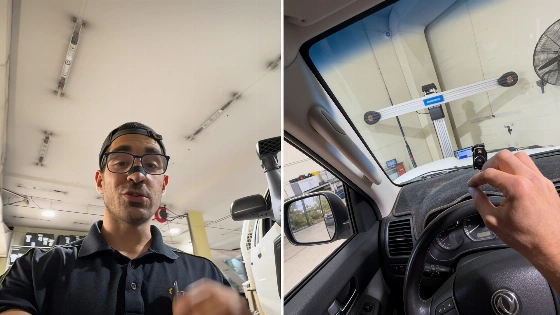
The Alcohol Interlock is a small breathalyzer wired into the car’s ignition. The driver has to blow into a mouthpiece before the engine will start. If the device detects alcohol above the legal limit, the car won’t start. For many repeat offenders, this is the only way they’re allowed to drive at all.
In New South Wales, the Mandatory Alcohol Interlock Program is automatically applied to drivers convicted of serious or repeat alcohol-related offences, and regaining a license is only possible after meeting the program's strict requirements.
The system doesn’t stop working once the car is running. During the drive, the device can ask for more breath samples at random times. If the driver ignores the prompt or fails the test, the incident is recorded. The car keeps running—authorities don’t want to create a hazard—but every failed or missed test is stored for review by traffic officials.
Every use of the device is tracked: failed starts, positive readings, missed tests, and the exact time of each event. Drivers have to visit approved centers regularly so the data can be downloaded and checked. Any sign of non-compliance can mean more time in the program or new penalties. In some states, the minimum period for using Alcohol Interlock is six months, but a year or more is common for serious or repeat violations. According to official program descriptions and legal explanations, these regular checks and data uploads are central to enforcement. Missed tests or failed starts have direct administrative consequences.
Australia’s approach is broad. Alcohol Interlock isn’t just for private cars—it can be installed in motorcycles, vans, and trucks. The program targets only those convicted of serious or repeated drunk driving, but for them, there’s no way around it.
Australian interlock devices are designed to block the vehicle from starting if alcohol is detected, but for safety reasons, they do not shut down the engine while driving. This approach is standard in certified systems and is highlighted by both manufacturers and legal sources.
Europe is paying attention. The European Union doesn’t require all drivers to use ignition breathalyzers, but since July 2022, new cars must have a standard interface for easy installation of Alcohol Interlock devices. From July 2024, all new cars sold must be ready for this technology, though the device itself isn’t installed by default. In countries like Spain, even convicted drunk drivers aren’t always required to use it.
As reported earlier, Spain is tightening traffic rules but hasn’t matched Australia’s strict approach to repeat drunk driving. The difference is clear: in Australia, the system is designed to prevent even a single relapse, while much of Europe is still building the infrastructure.
According to Google/SpainAuto, the Alcohol Interlock program is more than a technical fix. It’s a direct response to the problem of repeat drunk driving. By recording every attempt to drive under the influence, the system removes any doubt about compliance. For those who have lost the privilege of trust, technology now enforces the rules. Until European countries move from preparation to enforcement, Australia’s model remains the strictest answer to repeat drunk driving.