Andrea Camel, vocalist and dancer for Clan Zero, shares what it truly means to work in a Spanish orchestra during the summer festival season. From relentless rehearsals to constant travel, she describes a profession that demands year-round commitment and transforms daily life.
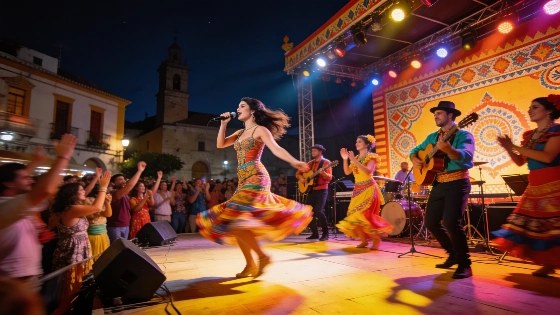
When Andrea Camel steps onto a festival stage with Clan Zero, the energy is electric. But the real story of Spain’s summer orchestras begins long before the first note is played. For Camel, who has spent seven years as a lead singer and dancer with the León-based group, the season is the culmination of months of intense preparation and a lifestyle shaped by late nights and endless travel.
Her journey started at 17, performing at weddings and small events. Over time, she joined a Benavides de Órbigo orchestra, spent several years there, and later formed her own group and duo before finding her place in Clan Zero. “You start out green, learning from those with more experience, absorbing their talent,” she says.
Preparation Behind the Scenes
The work doesn’t end when the summer festivals wrap up. After a brief pause, the orchestra’s members regroup to design the next year’s show, selecting new songs, choreographing routines, and reimagining the stage presentation. By January, rehearsals are underway—two or three times a week, each session lasting up to eight hours. These rehearsals cover everything from vocal training and dance numbers to full-band coordination.
Life on the Road
The touring season typically runs from April to October. During these months, Clan Zero might perform in a different town every night, spending long hours on the road by day and taking the stage by night. “We live at night, rest during the day, and travel during the day. That’s the part people don’t see,” Camel explains. While the audience enjoys the spectacle, the reality is a relentless cycle of travel, performance, and recovery.
Technical crews often arrive ahead of the musicians to set up stages, sound systems, and equipment. After each show, they dismantle everything and move on to the next location. Musical directors coordinate setlists, while choreographers ensure each performance feels fresh and engaging for the audience.
Protecting the Voice
For singers, the biggest challenge is maintaining vocal health through back-to-back shows. Rest and hydration are essential. “The most important thing is rest to recover your voice—sleep regenerates the whole body, especially the vocal cords, and you need a lot of hydration,” Camel emphasizes. The demanding schedule means sleeping during the day becomes routine, and self-care is non-negotiable.
Building a Second Family
Months spent together on the road forge deep bonds among orchestra members. “They’re family. I have colleagues who are like siblings. You’re away from home for so long, you end up loving them dearly,” Camel admits. The season usually ends in October, when discussions begin about who will return and how the next show will evolve.
Despite the sacrifices, Camel is clear: she would choose this path again. “I’d keep choosing it every day, because you have to love it—it’s something you carry inside. It’s almost a way of life.”
Spanish orchestras remain a vital part of local festivals, bringing live music and spectacle to towns across the country. Their work, largely invisible to the public, is a testament to dedication, teamwork, and a passion for performance that endures long after the summer lights fade.