Andrew Funk lost his business, home, and daily contact with his son before founding Homeless Entrepreneur. Now, he speaks out about the physical and emotional dangers of homelessness, and why restoring dignity and autonomy is crucial for recovery.
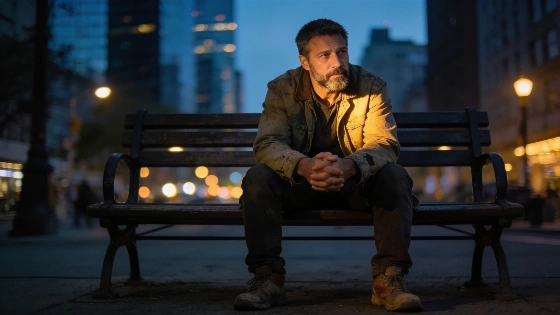
Andrew Funk knows firsthand how quickly life can unravel. After his business collapsed in Barcelona in 2015, the Minnesota-born entrepreneur lost not only his home but also the daily connection with his son. Forced to sleep on the streets, Funk faced a reality that would later drive him to launch Homeless Entrepreneur, an organization now active in 21 countries and credited with helping more than 3,500 people regain stability.
Speaking on the Roca Project podcast, Funk recalled the moment that changed everything: hearing his son cry in another room, but being unable to comfort him because he was homeless. For Funk, homelessness is not just about sleeping rough—it begins much earlier, with the loss of income, support networks, and a sense of belonging. "The stress kills," he says, describing the relentless pressure that comes with life on the street.
The Hidden Dangers
Funk is blunt about the risks: "Sleeping on the street reduces life expectancy by 13 to 30 years." Research published in Environment and Planning A supports this, showing that people without shelter face mortality rates up to 25 times higher than those with stable housing. The Royal College of Nursing reports that the average age of death for homeless men is 44, and for women, just 42—decades below the general population.
But the dangers go beyond cold and hunger. Chronic exhaustion, constant insecurity, exposure to violence, and the psychological toll of being invisible all erode both physical and mental health. "The real danger isn't the first night," Funk explains. "It's when exhaustion takes over and you become truly vulnerable."
Restoring Autonomy
Homeless Entrepreneur was built on the idea that recovery is not about charity, but about restoring autonomy. The organization identifies people who want to rejoin the workforce and society, connecting them with training, job opportunities, and support networks. According to Funk, employment can restore dignity—but only if it comes with real support and continuity.
Funk's own journey—from sleeping rough in Barcelona to leading an international initiative—underscores his belief that no one should be trapped in invisibility. The organization’s approach is practical: focus on skills, build confidence, and create pathways back to independence.
The Power of Language
Funk is also outspoken about the language used to describe homelessness. He rejects terms like "vagabundo," "indigente," or "sintecho" when they strip people of their identity. Instead, he insists on "personas sin hogar"—people without a home—reminding us that every individual has a story, a name, and a past.
He points to a less visible wound: social indifference. "When you're on the street, you become invisible," Funk says. This daily exclusion, he argues, is a form of violence that deepens the harm of homelessness.
Looking Forward
Funk describes his experience as a turning point, one that shaped both his life and his mission. He is clear: he would not have founded Homeless Entrepreneur without having lived through homelessness himself. His message is not one of resignation, but of shared responsibility—to see and support those at risk before it is too late.
Homelessness remains a complex and urgent issue in Spain and across Europe. While organizations like Homeless Entrepreneur offer hope, the underlying causes—economic instability, lack of affordable housing, and weak social safety nets—require sustained attention. As Funk’s story shows, the consequences of inaction are measured not just in statistics, but in years of lost life and dignity.