A major gas explosion near Sants metro station injured eight workers and triggered a fire that continues to burn. Barcelona officials are pressing for explanations from the regional government and contractors. Local businesses remain closed.
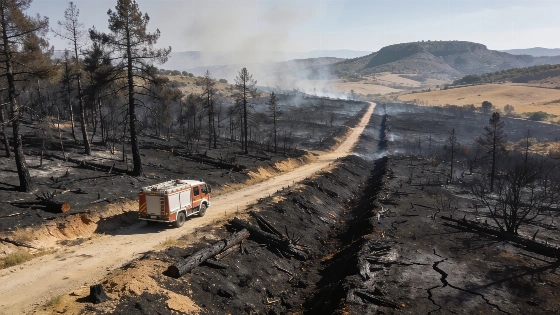
A powerful gas explosion late Wednesday near the L5 metro station at Plaça de Sants has left eight workers injured and forced Barcelona authorities to demand explanations from the Generalitat’s Department of Territori and the companies involved. The resulting fire, fueled by escaping gas, was still burning Thursday morning, with emergency crews working through the night to contain the situation and prevent further danger to the surrounding area.
Deputy Mayor for Security, Albert Batlle, visited the scene as the fire continued, emphasizing the city’s support for the injured and making clear that the city council expects full accountability from both the regional administration and the construction firms. The incident has reignited concerns about safety at major infrastructure sites, especially as it follows a series of recent accidents linked to works overseen by the same department, including a sinkhole at Vallbona and another at Putxet related to the L9 metro extension.
Firefighters, led by intervention chief Albert Ventosa, spent the night cooling the area with water jets to prevent overheating and further explosions. Ventosa explained that the urban gas network’s mesh structure complicates efforts to isolate leaks, as external pipelines lack valves due to the risk of additional leaks. Since the initial gas escape at 14:40 on Wednesday, teams have been working to seal off the affected pipes using inflatable plugs—a slow and complex process. The explosion occurred at 22:50, injuring eight and igniting a large, persistent flame. By Thursday morning, three pipes had been sealed, with a fourth expected to be closed soon, which should allow the fire to extinguish itself safely.
Authorities quickly cordoned off the area, restricted access for residents, and closed a nearby school as a precaution. The Medical Emergency System (SEM) treated the injured on site before transferring them to Vall d’Hebron and Clínic hospitals. Two people remain in serious condition at Vall d’Hebron, while others suffered less severe injuries. The city’s social services reported that only one family required emergency support due to distress caused by the incident.
Local businesses have not reopened, and the area remains off-limits, with the Guardia Urbana advising people to avoid the vicinity. Public transport has also been affected: five bus lines have been diverted, and the replacement bus for L1 works is skipping Plaça de Sants. Deputy Mayor Raquel Gil reassured residents that risks have been minimized but urged those living nearby not to use their balconies until further notice.
The explosion and ongoing fire have drawn attention to a pattern of recent infrastructure incidents in Barcelona. For context, a similar event at the same metro site was previously covered in detail by RUSSPAIN, highlighting the persistent challenges faced by emergency services and the impact on city life: read more about the earlier Sants metro gas explosion and its aftermath.
Gas infrastructure in urban Spain is typically designed for redundancy and safety, but incidents like this underscore the complexity of managing upgrades in densely populated areas. The city’s demand for accountability reflects growing public concern over construction safety and the need for clearer protocols when working near critical utilities. As investigations continue, the focus remains on restoring safety, supporting those affected, and ensuring that similar accidents are prevented in future projects.