A sharp dispute erupted in Madrid over whether Spain’s government received timely intelligence before the July 30 Ceuta migrant influx. Contradictory statements from Interior and Defence highlight gaps in crisis response.
Spain’s government is facing renewed scrutiny after a public clash between Interior Minister Fernando Grande-Marlaska and Defence Minister Margarita Robles over the intelligence available before the mass entry of migrants into Ceuta on July 30. Marlaska insisted there was no formal intelligence report predicting the surge, stating that if such a warning had existed, it would have triggered exceptional measures at the highest level. Robles, however, countered that the intelligence services, including the CNI, fulfilled their duties and shared relevant information with security forces and the Government Delegation in Ceuta.
The disagreement centers on the nature and formality of the warnings. While Marlaska maintains that no official report was issued, Robles clarified that intelligence is not always delivered in written form. She pointed out that on July 29, CNI agents in Ceuta verbally relayed information about a planned mass crossing, organized via social media to coincide with Morocco’s Throne Day celebrations. This nuance suggests that while a formal document may not have existed, actionable intelligence was indeed communicated, albeit informally.
The Government Delegation in Ceuta added another layer to the controversy by releasing a statement denying receipt of any report warning of the July 30 events. According to the Delegation, only daily updates on rising maritime entries were provided in late July. Robles, meanwhile, emphasized that the intelligence included alerts about both the increase in daily swimmers—around 150 per day—and the organization of a mass attempt via WhatsApp and Facebook groups, some with up to 180,000 followers in Morocco.
Despite these warnings, no extraordinary preventive measures were implemented. Robles acknowledged that even reinforced border controls would have been ineffective against such a large influx, and attempting to block the crowd could have led to greater tragedy, given the risk of stampedes or drownings. The only viable option, she suggested, would have been early diplomatic engagement with Moroccan authorities to counter misinformation spreading on social media and prevent the mass movement toward Ceuta. This step was only taken after the situation had already escalated.
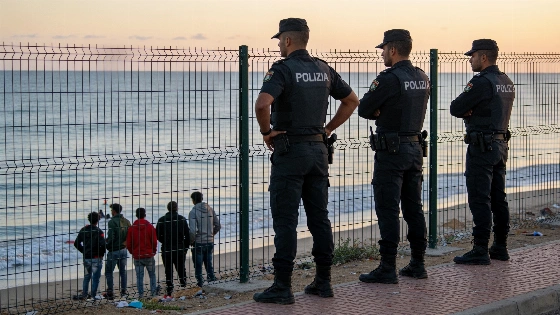
During the aftermath, Spanish observers saw smoke rising from burning vehicles on the Moroccan side, following clashes between migrants and Moroccan gendarmes. The episode has reignited debate over Spain’s crisis management and the coordination between intelligence, security forces, and political leadership. As noted in a related analysis, the political tensions surrounding Ceuta’s status and the government’s handling of migration have been a recurring issue—see the detailed coverage on the Defence Minister’s response to the crisis at this report.
Ceuta, a Spanish enclave on the North African coast, has long been a focal point for migration from Morocco. The July 30 incident, which saw thousands attempt to enter the city, was fueled in part by misinterpretations of a Spanish Supreme Court ruling on maritime returns. While the ruling did not ban repatriations, social media in Morocco spread the belief that returns were now impossible, encouraging the mass attempt. The event underscored the challenges of managing border security amid rapidly evolving information flows and highlighted the need for clearer protocols between intelligence agencies and political authorities. The debate continues over how Spain can better anticipate and respond to such crises in the future.