Hundreds of migrants in Ceuta, many from Morocco, are living in harsh conditions. Food, shelter and hygiene are scarce. Authorities and NGOs face mounting pressure as the situation worsens.
Ceuta is experiencing a severe humanitarian crisis as hundreds of migrants, many of them young men from Morocco, remain stranded in the El Tarajal industrial area. After crossing the border by swimming, these individuals now face daily struggles for food, shelter, and safety. The situation has become increasingly tense, with limited resources and growing uncertainty about their future.
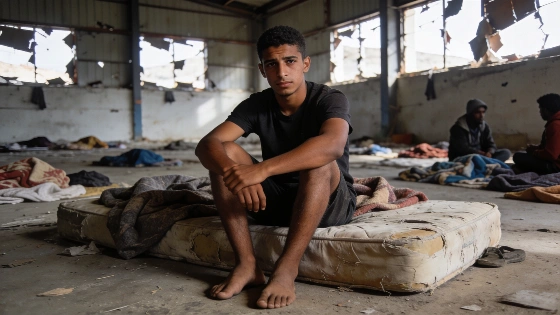
Most migrants, like 26-year-old Mohamed from Castillejos, have been living on the streets for over two weeks. With no access to stable housing, many sleep outdoors or in abandoned warehouses, relying on NGOs such as Luna Blanca for a single daily meal. The lack of basic hygiene and medical care has led to health problems, including infections and untreated wounds. The area has become overcrowded, with mattresses and blankets scattered among the remnants of former businesses, and the heat during the day only adds to the hardship.
Food distribution is managed by Luna Blanca under police supervision, but supplies are limited and queues stretch for hundreds of meters. For many, this is the only meal they receive each day. Tensions have risen as resources dwindle, leading to frequent arguments, thefts, and a general sense of insecurity. Women and children are also present, some still suffering from injuries sustained during their journey. Access to medicine is minimal, and cases of scabies and fungal infections are common.
Mohamed describes how he and two friends pool their limited money to buy bread and cold cuts, stretching what little they have over several days. He avoids the city center due to heavy police presence and prefers to stay near families for safety. The fear of being deported is constant, especially as news circulates about possible returns to Morocco. Many migrants anxiously follow updates on their phones, worried about separation from their families or forced repatriation.
Despite the challenges, acts of solidarity occasionally emerge. Volunteers sometimes bring food or basic medical supplies, and migrants try to support each other, especially the children. Recently, a woman arrived with groceries, which Mohamed and others distributed among the youngest. Another volunteer provided first aid to those with untreated wounds, and two children were taken to hospital after fainting from hunger and illness.
To make their voices heard, some migrants have created banners from white sheets, expressing their willingness to work and gratitude to the police. These messages, visible from outside the warehouses, reflect a desire for opportunity rather than conflict. Yet, the daily reality remains harsh: most have only the clothes they arrived in, and nights are cold and noisy, with little chance for rest.
The uncertainty is compounded by official statements from both Moroccan and Spanish authorities about the possible return of irregular migrants. This has heightened anxiety among those in El Tarajal, who already face hunger and insecurity. According to Save the Children, the conditions in the area amount to extreme poverty, with no clear solution in sight.
While the focus remains on the immediate crisis in Ceuta, Spain is also grappling with broader social challenges. For example, delays in elderly care services in Madrid highlight the strain on public resources and the need for coordinated responses to vulnerable populations. The situation in Ceuta underscores the urgent need for sustainable solutions for migrants and local communities alike.
Ceuta's migrant crisis is a stark reminder of the complex realities at Spain's borders. The combination of humanitarian need, limited resources, and political uncertainty continues to test both authorities and those seeking a better life. As the days pass, the pressure for action grows, with no easy answers for those caught in limbo.