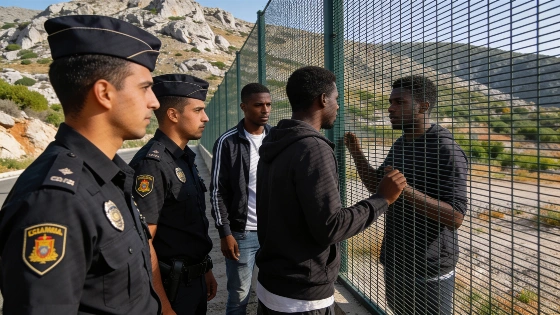
Ceuta experienced a massive influx of nearly 50,000 people from Morocco in less than two days. Most returned within hours, but at least 57 deaths were reported. The crisis marks a sharp rise in irregular entries this year.
Ceuta has witnessed its most intense border crisis in recent memory, as nearly 50,000 people crossed from Morocco into the Spanish enclave in under 48 hours. The surge began on Thursday, with official counts rising from 25,000 crossings that day to 40,000 by Friday morning, and reaching 50,000 by midday, according to Spain’s Ministry of the Interior. The rapid escalation was attributed to the lack of intervention by Moroccan security forces, allowing thousands to enter the city in a short span.
By Friday afternoon, the situation shifted dramatically. Authorities reported that approximately 48,300 of those who entered had already returned to Morocco, leaving only a small fraction remaining in Ceuta. The episode, however, came at a tragic cost: at least 57 people lost their lives during the crossings, making this one of the deadliest incidents ever recorded at a Spanish border.
Ceuta typically accounts for just 6% of Spain’s irregular arrivals, but this year the city’s share has soared to over 19%. The scale and speed of the recent events have overwhelmed local resources and highlighted the volatility of migration flows at this critical frontier. The crisis has also drawn comparisons to previous emergencies in the region, such as the mass exodus described in reports of earlier border chaos and migrant returns.
While most of those who crossed the border have now left Ceuta, the incident underscores the ongoing challenges faced by Spanish authorities in managing sudden and large-scale migration movements. The high number of fatalities has intensified scrutiny of border management practices and the humanitarian risks involved. Ceuta’s unique position as a Spanish territory on the African continent makes it a frequent focal point for migration pressures, with policy responses often shaped by both local realities and broader Spain-Morocco relations.
For context, Ceuta and its neighbor Melilla are the only land borders between Africa and the European Union. These enclaves have long been entry points for people seeking to reach Europe, but the recent surge far exceeds typical patterns. The rapid return of most entrants suggests coordinated efforts between Spanish and Moroccan authorities, though the initial inaction at the border remains a point of contention. The tragedy has renewed debate over border security, humanitarian obligations, and the capacity of local services to respond to sudden influxes. As the situation stabilizes, attention is turning to the causes behind the surge and the measures needed to prevent similar crises in the future.