A 7.4-magnitude earthquake in Colombia has killed 281 people and left thousands injured or missing. Authorities report widespread destruction and a slow arrival of aid. Reconstruction plans are underway amid ongoing humanitarian needs.
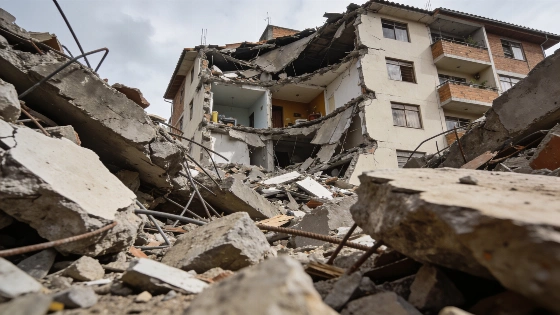
Colombia is grappling with the aftermath of a devastating 7.4-magnitude earthquake that struck on Monday, resulting in 281 confirmed deaths, 3,824 injuries, and 379 people still unaccounted for. The disaster has affected 44,936 families and over 102,000 individuals across 426 municipalities in 15 departments, according to the latest figures released by President Abelardo de la Espriella. The scale of destruction is severe: 127 buildings have collapsed, 65,841 homes are damaged, and 10,677 have been completely destroyed. The government has centralized communication and is now coordinating the first steps toward reconstruction, calling on private companies to join the recovery effort.
Rescue operations continue in the hardest-hit cities, with teams working beyond the critical 72-hour window to search for survivors. In Cali, where at least 100 people have died and dozens of buildings have either collapsed or suffered major damage, local officials have resisted using heavy machinery to avoid jeopardizing rescue efforts. Many families remain in makeshift shelters, unwilling to return to their homes due to safety concerns. In Manizales, six fatalities have been reported, and entire neighborhoods face the risk of collapse. The city’s authorities estimate that nearly 2,000 homes have partial damage and over 1,400 are now uninhabitable. Residents like Felipe Varela, who lost everything, say they are still waiting for concrete government assistance despite being registered for aid.
Humanitarian relief has been slow to reach some of the most affected areas. In Quibdó, the capital of Chocó department and close to the earthquake’s epicenter, the first significant delivery of 18 tons of supplies only arrived on Thursday. The city, already one of Colombia’s poorest, has relied heavily on community solidarity and informal support networks as official help trickles in. The situation echoes challenges seen in other recent natural disasters, such as the severe storms in southern Valencia, where emergency services faced overwhelming demand, as reported in coverage of the Alcoi and Villena storms.
The international response has been complicated by disputes over Colombia’s criteria for accepting foreign rescue teams. While specialized units from the United States, El Salvador, Ecuador, and Israel have been cleared to assist, a highly experienced Mexican military brigade was initially excluded due to additional certification requirements. Mexican President Claudia Sheinbaum noted that her country’s team, which has operated in 98 countries, was ready to deploy but faced bureaucratic hurdles. Nevertheless, Mexico has sent 58.5 tons of food, water, and medical supplies, and the Topos Aztecas rescue group has arrived in Cali. Colombian Foreign Minister Omar Bula has denied any political bias in the acceptance of aid, insisting that all assistance is being welcomed regardless of origin.
Earthquakes of this magnitude are rare in Colombia, but the country’s location along the Pacific Ring of Fire makes it vulnerable to seismic activity. The current crisis has exposed gaps in emergency preparedness and highlighted the importance of rapid, coordinated response. As reconstruction begins, authorities face the dual challenge of restoring infrastructure and addressing the immediate humanitarian needs of thousands left homeless or displaced by the disaster.