Paula Badosa exited the Iasi tournament final due to illness after a tense semifinal. Her frustrated racquet throw drew sharp criticism from tennis veteran Renae Stubbs. The incident has sparked debate over player conduct.
Paula Badosa's strong run at the Iasi tennis tournament ended abruptly when she was forced to withdraw from the final against Mayar Sherif due to illness. The match, already postponed to Monday, was set to be a highlight of the event, but Badosa's health concerns left the title to be decided without her on court.
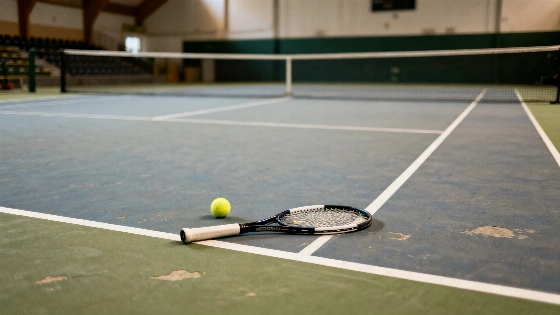
The Spanish player's exit was not the only headline from Iasi. During her semifinal clash with Tamara Zidansek, Badosa's frustration boiled over in a moment that quickly became the tournament's most discussed incident. After a tense exchange, she hurled her racquet against the fence. While the racquet did not strike any spectators, the act itself drew immediate attention and criticism within the tennis community.
Renae Stubbs, a respected figure in women's tennis and former coach of Serena Williams, publicly condemned Badosa's behavior. Speaking on her podcast, Stubbs argued that such actions should result in automatic disqualification, calling the incident an embarrassment for the sport. She emphasized that players are responsible for their equipment at all times and that throwing a racquet into the stands should not be tolerated under any circumstances.
The debate over Badosa's conduct has reignited broader questions about discipline and enforcement in professional tennis. While the rules penalize unsportsmanlike behavior, enforcement can vary, and high-profile incidents often prompt calls for stricter measures. The Iasi episode highlights the ongoing tension between player emotion and the standards expected at elite tournaments.
Paula Badosa, once ranked among the world's top players, has faced a series of challenges in recent seasons, including injuries and inconsistent form. Her withdrawal in Iasi adds to a pattern of setbacks that have interrupted her momentum on the tour. The incident also underscores the pressures athletes face during high-stakes matches, where emotional control is as critical as physical performance.
For context, the Women's Tennis Association (WTA) maintains a code of conduct that addresses on-court behavior, including penalties for racquet abuse. However, the severity of sanctions often depends on the perceived intent and outcome of the action. In Badosa's case, the lack of physical harm to spectators may have influenced the decision not to disqualify her, but the public reaction suggests that expectations for player discipline remain high. The Iasi tournament, held annually in Romania, has grown in prominence and regularly attracts top international talent, making incidents like this particularly visible within the sport.