Spain faces its highest annual count of Crimean-Congo hemorrhagic fever cases. Four infections have been confirmed in 2026, including one death. Health authorities have intensified monitoring and isolation measures.
Spain has reached a new peak in Crimean-Congo hemorrhagic fever cases, with four confirmed infections and one fatality reported so far in 2026. The latest case involves a 71-year-old man visiting Salamanca, who tested positive and was transferred to Hospital Gómez Ulla in Madrid for specialized isolation. This marks the highest annual number of cases in the past decade, highlighting a shift in the disease's presence from rare to endemic, according to the Spanish Society of Infectious Diseases and Clinical Microbiology (Seimc).
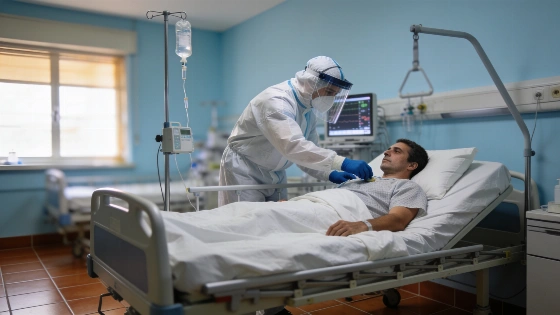
Regional health authorities in Castilla y León have responded by activating strict protocols to contain the outbreak. All close contacts of the infected patient are being monitored, with regular temperature checks and instructions to report any health changes to their assigned epidemiologist. The protocols require that patients be treated in High-Level Isolation Units, given the high contagion risk from bodily fluids. Medical staff use advanced protective equipment to minimize exposure.
Crimean-Congo hemorrhagic fever, once considered an exotic threat, is now a real concern during Spain's warmer months. Most infections remain asymptomatic or present with mild flu-like symptoms, but up to 30% of symptomatic cases can develop severe hemorrhagic complications. The disease carries a mortality rate between 20% and 40%, and even healthy young adults are at risk of serious illness. There is currently no approved vaccine or proven treatment, with only experimental therapies available.
According to the European Centre for Disease Prevention and Control (ECDC), Spain is the only European country to report locally transmitted cases of this infection in 2026. The National Epidemiological Surveillance Network (Renave, ISCIII) has documented a total of 23 cases in the last decade, all requiring hospitalization. Six men aged 51 to 80 have died from hemorrhagic complications. Most exposures have occurred in Salamanca, but cases have also been identified in Badajoz, Cáceres, and Toledo. The tick species Hyalomma lusitanicum, the main vector, is now widespread across the Iberian Peninsula, increasing the risk of infection in many regions.
Climate change is believed to be expanding the habitat of these ticks, making the disease a growing concern beyond traditional hotspots. The National Plan for the Prevention, Surveillance, and Control of Tick-Borne Diseases, launched two years ago, guides the current response. Avoiding tick bites remains the only reliable prevention method. The situation underscores the need for heightened awareness among healthcare professionals and the public, especially during the high-risk period from April to August.
Crimean-Congo hemorrhagic fever is a viral disease transmitted primarily by tick bites or direct contact with infected animal blood or tissues. The illness can progress rapidly, with symptoms ranging from fever and muscle pain to severe bleeding and organ failure. Spain's experience reflects a broader trend of emerging infectious diseases linked to environmental changes and increased human-animal contact. Continued vigilance, public education, and investment in surveillance are essential to limit further spread and protect vulnerable populations.