Moroccan NGOs now report 141 deaths linked to the recent mass crossing at Ceuta. Official figures remain contested. Dozens face prosecution as authorities investigate the tragedy.
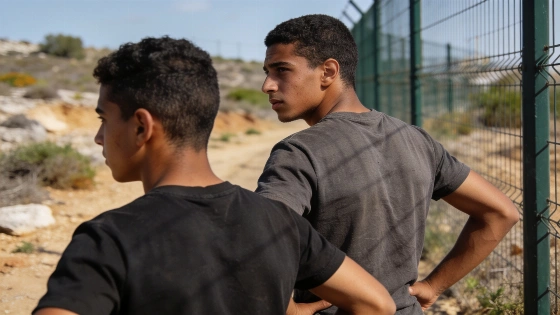
The number of deaths connected to the recent mass migration at the Ceuta-Morocco border has climbed to 141, according to new data compiled by Moroccan NGOs. The Asociación Marroquí de Derechos Humanos (AMDH), which has observers on the ground, released a report on Friday citing figures from both official and humanitarian sources. This marks a significant increase from the 130 fatalities estimated earlier in the week, highlighting the scale of the crisis that unfolded as tens of thousands of young people attempted to cross into the Spanish enclave.
Official recognition of the tragedy remains limited. The Moroccan government has so far confirmed only 11 deaths on its side of the border, attributing one to a fall from rocky terrain near Ceuta and the rest to drowning. Spanish authorities in Ceuta have reported between 72 and 88 deaths, but Morocco’s Ministry of the Interior has not yet validated these numbers. Instead, officials say they are still working with their Spanish counterparts to verify the true number of victims, their identities, and nationalities through established channels of cooperation.
The incident has triggered calls for a thorough investigation from opposition parties in Morocco, including both Islamist and left-wing groups. Meanwhile, Spanish and Moroccan NGOs estimate that more than 60 people died on Moroccan soil, while the death toll in Ceuta remains under review. The legal response has been swift: Moroccan courts have already sentenced 11 individuals to up to six months in prison for their roles in the mass crossing. In Tetuán, prosecutors have charged 34 people, including five minors, with offenses ranging from organizing illegal crossings to assaulting security forces and transporting passengers without a license. The events occurred during a surge last Thursday and Friday, when over 70,000 irregular migrants attempted to enter Ceuta, with a smaller number targeting Melilla. In Nador, another northern Moroccan city, 52 more people face prosecution for trying to breach the Melilla border.
These developments come as the region continues to grapple with the aftermath of the border crisis. The situation has strained relations and prompted ongoing debate about migration management and humanitarian responsibility. For additional context on how border tensions have disrupted daily life and cross-border routines in Ceuta, see this analysis: how stricter controls are reshaping local realities.
Ceuta and Melilla, Spain’s two autonomous cities in North Africa, have long been focal points for migration from Morocco and sub-Saharan Africa. The recent surge in attempted crossings has intensified scrutiny of border security and humanitarian conditions. While official figures remain contested, the rising death toll underscores the risks faced by migrants and the challenges for authorities on both sides. The ongoing legal proceedings and calls for investigation reflect the complexity of managing such crises, as well as the need for coordinated responses between Spain and Morocco. The situation remains fluid, with further updates expected as investigations continue and more information becomes available.