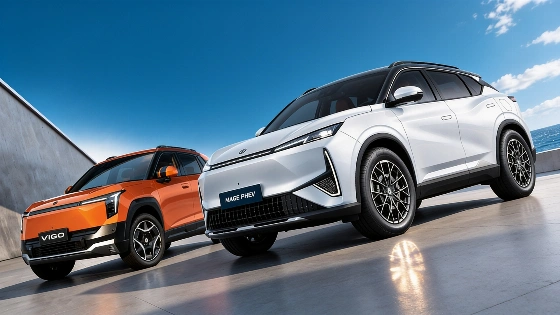
Dongfeng’s VIGO and MAGE PHEV SUVs have landed in Spain with aggressive pricing and ambitious guarantees. We tested both models in Madrid to see if the Chinese brand’s electrified push can truly challenge established players.
Dongfeng has made a direct entry into Spain’s electrified SUV market with two new models: the all-electric VIGO and the plug-in hybrid MAGE PHEV. Both arrive with prices and warranties that undercut much of the competition. At the brand’s first Dongfeng Day in Madrid, dealers, partners, and media got a close look at both vehicles, while the company outlined plans to grow its Spanish dealer network from 25 to 45 locations by 2027. This expansion, in partnership with local distributor Caetano, signals Dongfeng’s intent to stay in the Spanish market for the long haul, as reported by Expansión and elEconomista.
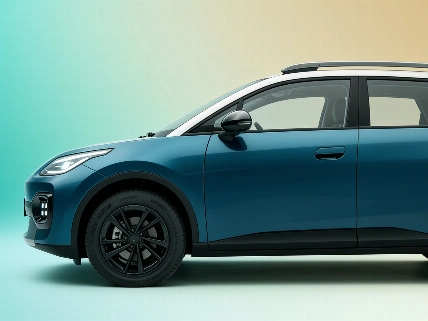
The VIGO is a compact SUV built on Dongfeng’s new Quantum electric platform. It stands out for its nimble handling and roomy interior. The 120 kW (163 hp) motor and 51.87 kWh LFP battery promise up to 521 km of urban range and 340 km combined (WLTP). On the road, the VIGO accelerates quickly and rides quietly for its class. The steering is light and accurate, though the artificial feel is noticeable. Multiple drive modes and adjustable regenerative braking give drivers options, and the suspension manages to balance comfort with stability—unusual at this price.
The VIGO is positioned as a 100% electric SUV about 4.3 meters long, targeting the mass market with a focus on urban use and affordability.
Inside, the VIGO offers plenty of space and some practical touches. The 500-liter boot (expandable to 1,040 liters) hides a 72-liter compartment, and the split tailgate’s lower section can hold up to 150 kg and includes cupholders—handy for outdoor use. Seats are comfortable, and both rows have good legroom. The 12.8-inch central screen is quick to respond, though the interface could be easier to use. One drawback: neither the VIGO nor the MAGE PHEV supports Android Auto, only Apple CarPlay, which may be a dealbreaker for some buyers.
The MAGE PHEV is Dongfeng’s first plug-in hybrid for Spain, arriving as PHEV sales are rising. This 4.69-meter SUV pairs a 1.5-liter turbo petrol engine with an electric motor and a 17 kWh battery, for a combined 299 hp and up to 89 km of electric range (WLTC). The switch between electric and petrol is smooth, and acceleration is immediate. On the highway, the MAGE PHEV feels stable and quiet, with a suspension tuned for comfort and efficiency. The panoramic roof brings in plenty of light, and the driving position is supportive with good visibility. Spanish automotive media confirm this is Dongfeng’s first plug-in hybrid for the local market, reflecting growing demand for electrified cars in Spain.
Both models come with DGT CERO labels and a 7-year or 300,000 km vehicle warranty, plus a 10-year unlimited warranty for the battery and electric system. Pricing is aggressive: the VIGO starts at €26,615 or €139 per month, and the MAGE PHEV at €28,740 or €195 per month, including launch discounts and Plan Auto+ incentives. These prices, confirmed by Spanish business and automotive outlets like Faro de Vigo and Expansión, put Dongfeng among the most competitive options in their segments.
Dongfeng is not a newcomer to Spain: the Dongfeng Box model was already available in the country before the launch of VIGO and MAGE PHEV, and the new arrivals further strengthen the brand’s presence in the dealer network.
Not everything is perfect. The VIGO’s driver assistance systems can be too aggressive, with abrupt interventions that may need user adjustment. And the lack of Android Auto on both models is a clear miss in a market where smartphone integration is standard. Still, the mix of range, equipment, and warranty changes expectations for what’s possible under €30,000. Europa Press and other independent sources note that buyers should check warranty details, service coverage, and eligibility for government incentives based on the specific model and purchase method.
Dongfeng’s push in Spain comes as Chinese automakers ramp up their European efforts. The strategy is similar to rivals like Omoda, whose recent interior update also aims to attract local buyers with value and features.
With the VIGO and MAGE PHEV, Dongfeng is taking on established brands on price, warranty, and practicality. The first drive shows two vehicles that, while not without flaws, offer strong value for money. For Spanish drivers thinking about switching to electrified SUVs, Dongfeng’s new arrivals are worth a close look. If the brand can keep up this balance as it grows, established players may have to react sooner than they planned.