Bread goes stale quickly if not stored properly, but leading bakers say most people use the wrong method. Experts now recommend a simple switch that preserves texture and flavor, while also reducing food waste at home.
Stale bread is a common frustration in Spanish households, where fresh loaves are a daily staple but rarely last more than a day or two. While many reach for the familiar paper or cloth bag from the bakery, top bakers now say these traditional methods fall short when it comes to keeping bread at its best.
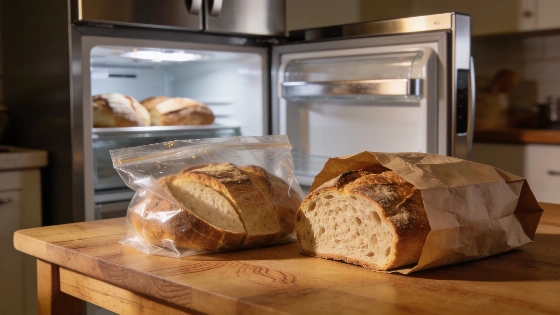
According to master bakers like Rodrigo Chacón, founder of the Universidad del Pan, the real key to preserving bread’s texture and flavor is a combination of plastic and freezing. Chacón explains that plastic bags do a better job than paper or cloth at retaining the bread’s natural moisture, which helps prevent the crumb from drying out and keeps the crust from turning tough too quickly.
Why Paper and Cloth Fall Short
Paper and cloth bags allow air to circulate, which can be useful for short-term storage but accelerates the loss of moisture. As a result, bread stored this way often hardens within hours, especially in Spain’s warm climate. Chacón warns that while plastic bags are more effective at holding in moisture, leaving bread in plastic at room temperature can backfire. Temperature changes cause condensation inside the bag, creating a humid environment that encourages mold and speeds up spoilage.
The Freezer Advantage
To avoid these pitfalls, experts recommend freezing bread as soon as it becomes clear it won’t be eaten the same day. José Roldán, named World Baker of the Year 2025 by the International Union of Bakers and Confectioners (UIBC), agrees that freezing is the safest and most effective way to extend bread’s shelf life. He notes that this is especially important during Spain’s hot summers, when bread deteriorates even faster.
International food safety guidelines, such as those from the Codex Alimentarius by the FAO and WHO, set -18°C as the standard for frozen food storage. This temperature not only preserves bread’s quality but also ensures food safety. Roldán suggests slicing bread before freezing, so only the needed amount is defrosted at a time, minimizing unnecessary handling and waste.
How to Restore Bread’s Crunch
Even with careful freezing, bread can lose some of its signature crustiness after thawing. Roldán recommends a quick stint in the oven to revive the crust. For bread that has already gone hard after days in paper or cloth, lightly moistening the crust with a clean cloth before baking can help. Another method is to briefly run the loaf under the tap, then bake it at 180°C for five to ten minutes. The heat restores the crust’s crunch while softening the crumb inside.
Microwave: A Last Resort
When an oven isn’t available, the microwave can offer a quick fix. Spritz the bread with a little water and heat it for 20 to 30 seconds. However, experts caution that this method should only be used immediately before eating, as the effect is short-lived and repeated microwaving can degrade the bread’s quality.
By following these expert-backed tips, households can enjoy fresh-tasting bread for longer and cut down on unnecessary food waste. As Spanish families continue to value daily bread, small changes in storage habits can make a noticeable difference in both taste and sustainability.