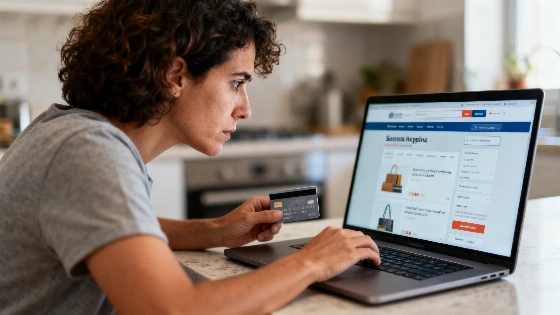
INCIBE warns: Scammers posing as Lidl website steal personal data. A new wave of online fraud is sweeping Spain: fake Lidl websites lure shoppers with low prices and request personal and banking information. INCIBE experts explain how to avoid falling for the scam and what to do if you've been deceived.
There has been a surge in cases of fraud involving fake online stores in Spain, which imitate Lidl’s branding and offer products at suspiciously low prices. According to INCIBE, scammers create websites that are visually indistinguishable from the official ones, in order to trick users into providing their personal and banking information.
The main goal of these sites is to make people believe they are on the real Lidl website and to place an order. As a result, victims not only lose money but also risk having their personal information fall into the hands of fraudsters.
How the scheme works
Links to fake stores most often appear in advertising blocks on search engines or are spread through messengers, such as WhatsApp. The recognizable Lidl logo and promises of discounts that seem too good to be true attract attention. The design, colors, and layout of the pages copy the official site, but the website address is different—often the domain does not contain the word Lidl or ends with unusual combinations, different from .es or .com.
What to look out for
INCIBE highlights several signs to help identify a fraudulent website:
- The URL does not match Lidl’s official domain;
- The store name is different from the original;
- The site displays messages about urgent promotions or a limited quantity of goods;
- When placing an order, you are asked to provide not only your contact but also your banking details.
If even one of these signs raises doubts, it is better to stop the purchase and check the website address through an official source.
What to do if you end up on a fake website
If you have visited a suspicious site but have not made a purchase or entered any data, simply do not proceed further, take screenshots, and report your findings to INCIBE. It is also recommended to block or hide similar ads to protect other users from risk.
If you have already made a purchase on a fraudulent site, it is crucial to contact your bank immediately to block the transaction and secure your account. You should change your passwords, collect all possible evidence (screenshots, correspondence, website addresses), and file a report with the police.
Data leak check
Experts recommend conducting so-called egosurfing—searching for your own data on the internet—after such incidents. This will help determine whether your personal information is being used in other fraudulent schemes.
Where to seek help
In cases of cyber fraud, it is important not to ignore the situation: record all details, notify your bank, change your passwords, and contact law enforcement. In addition, the OCU organization provides support to victims of online fraud and assists with filing complaints.
According to INCIBE, attention to detail and checking the website address are the main ways to protect yourself from such schemes. If an offer seems too good to be true, consider whether it might be an attempt at fraud.