A 36-year-old Malian man died after a fire swept through over 80 makeshift homes in Lucena del Puerto. Emergency services responded rapidly. The incident exposes the ongoing risks faced by migrant workers in Huelva.
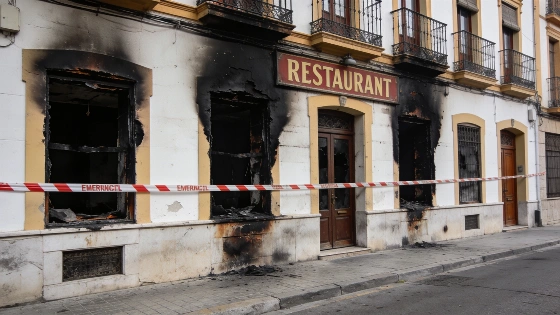
A fire in the early hours destroyed more than 80 makeshift homes in the La Sevillana shantytown in Lucena del Puerto, Huelva, leaving one man dead and dozens without shelter. The blaze spread quickly as butane gas canisters exploded, forcing residents to flee and leaving the local migrant community with little to salvage.
The victim, a 36-year-old man from Mali, was unable to escape. Four others suffered minor burns while trying to save their belongings but did not need hospital care. The Guardia Civil is investigating the cause of the fire and the circumstances of the man’s death. According to official reports cited by Democrata, the emergency call came in at 04:22, and firefighters, police, medical teams, and the Red Cross responded.
"Just six days before this tragedy, a major fire had already swept through the same settlement on September 9, 2026, destroying dozens of huts but causing no casualties."
— El Confidencial
Emergency crews arrived within minutes. Firefighters, local police, medical teams, and Cruz Roja staff worked to contain the flames and help those affected. María José Rico, the government’s subdelegate in Huelva, said the fire started in one shack and spread rapidly as gas containers exploded. The official cause is still under investigation, but authorities point to the exploding canisters as a likely factor in how quickly the fire moved through the camp.
The victim’s brother, who lives nearby, has identified the remains. Most people displaced by the fire have found shelter with relatives or friends, so the municipality has not opened emergency accommodation. Cruz Roja remains on site, providing food, psychological support, and other assistance to those who lost their homes. According to Democrata, the Red Cross continues to help, while the town has not set up mass shelters because most people are staying with acquaintances.
The fire has renewed criticism from migrant support groups. Pepa Suárez, president of the Asociación Multicultural de Mazagón, called it a tragedy tied directly to the ongoing existence of shantytowns in Huelva’s agricultural areas. She called for urgent action to guarantee decent housing for seasonal workers, saying the conditions many migrants face are unacceptably harsh.
"Recent reports highlight that similar fires have occurred in other migrant settlements across Andalusia, including a major incident in Ceuta in mid-September 2026, where dozens of shelters were destroyed but no casualties were reported. This pattern points to a broader, recurring crisis in the living conditions of migrant workers throughout Spain."
— Al Jazeera
Social activist Juan Labrador said this is the third fire at La Sevillana in just over a week, and that the latest blaze destroyed the last part of the settlement after a major fire two years ago. He identified the victim by his nickname, Rasta, and said several people were hurt while trying to save their possessions. Labrador warned that these fires will keep happening as long as hundreds of temporary workers live in unsafe housing. He also said the Malian consulate will need to coordinate the repatriation of the body once the legal process is finished.
Officials point to ongoing efforts under the Acuerdo por Doñana to improve living conditions for migrant workers, including investments in housing and support for regularization in towns like Lucena del Puerto, Moguer, and Palos de la Frontera. But for many, little has changed. Repeated fires and the lack of safe accommodation show that the problem remains. Local migrant rights groups have again called for urgent reforms to address the chronic shortage of decent housing in agricultural areas, according to recent coverage by Democrata and El Confidencial.
Similar incidents have happened elsewhere in Spain, such as the case in Catalonia where a family lost their home to arson. The pattern is clear: when basic housing needs go unmet, vulnerable communities face greater risks.
The Guardia Civil investigation continues, but the facts are already clear. The death of a migrant worker in a preventable fire highlights the ongoing failure to address unsafe living conditions in Spain’s agricultural regions. As long as these settlements remain, the risk of more loss and tragedy will persist.