The Guardia Civil is bringing in 200 new unmarked sedans to strengthen its undercover teams. This €5.4 million move aims to give Spanish security forces an edge against organized crime and terrorism.
The Guardia Civil is about to put 200 new unmarked sedans on Spanish roads. This is one of the biggest upgrades to its undercover fleet in years. The contract is worth more than €5.4 million. The goal is simple: stay out of sight and stay ahead of organized crime, economic offenders, and terrorist groups.
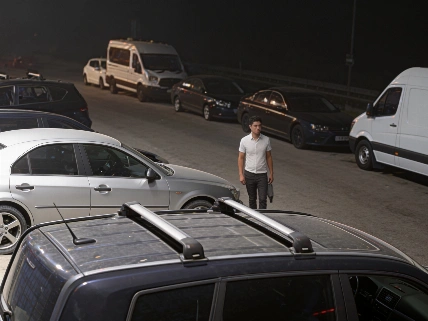
All the cars are standard sedans in regular commercial colors. They are meant to disappear into city and country traffic. The technical specs make it clear: these vehicles must not stand out. That is key for the plainclothes units who rely on staying anonymous for surveillance, intelligence work, and long stakeouts. Diario de León reports that the tender is aimed at teams working without uniforms, where blending in is critical for sensitive operations.
The deadline for submitting bids is set for October 9, 2026, with the opening of offers scheduled for October 13, 2026.
These sedans are not like the marked patrol cars seen on highways. They are for teams handling the toughest investigations. Assignments include tracking drug rings, watching economic crime, and counter-terrorism. Sedans were picked because they have enough room for people and gear, and they do not draw attention. Official procurement documents show the contract will last 39 months, giving steady support for ongoing intelligence work.
The Guardia Civil's Economic Affairs Directorate laid out the process in the BOE. Any company that meets the strict specs can bid. Offers are due by October 9, 2026. The contract runs for 39 months. Price counts for 60% of the decision, technical quality for 40%. Maintenance and fleet management are included, so the cars stay ready for action. The official public contracts registry lists all the details, and everything is available through Spain's state procurement portal. This keeps the process open and fair for all bidders.
Transparency is a must. All paperwork, from technical to legal, is open on the State's procurement portal. Companies have to show proof of their finances and experience, using the Documento Único Europeo de Contratación (DEUC). If something is missing, bidders get a chance to fix it before the financial offers are opened.
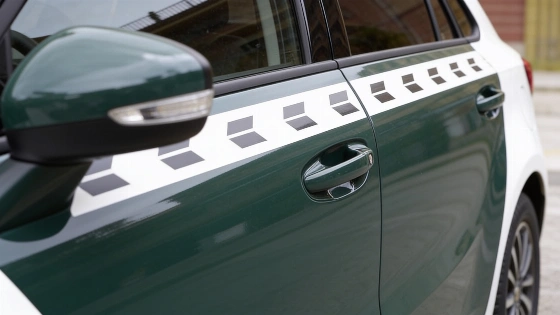
Recent incidents in Spain involving vehicles disguised as police or Guardia Civil cars have highlighted the importance of distinguishing official undercover vehicles from those used for criminal purposes. This context has influenced the technical requirements for the new fleet, prioritizing both discretion and authenticity.
The Guardia Civil chose leasing over buying. This keeps the budget flexible and lets them update the fleet often. It also means the cars used in critical missions are always current and well maintained. The monthly cost is about €140,000. That covers the cars and all the support services needed to keep them ready. Diario de León confirms the total contract is €5,464,368, showing just how big this project is.
Spain's Law 9/2017 on Public Sector Contracts sets the legal rules. If a company feels its rights are violated, it can appeal to the Tribunal Administrativo Central de Recursos Contractuales. This setup is meant to keep things fair and competitive. The Ministry of Finance's public contract registry is the official record for all these tenders, making sure the process can be checked by anyone.
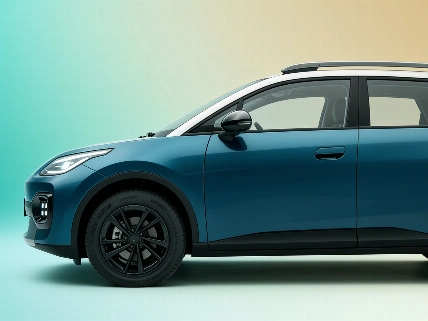
While this deal is all about sedans for undercover work, Spain's car market is changing fast. As reported earlier, new electric models are making news, but most are still out of reach for Spanish buyers. The Guardia Civil is sticking with regular sedans for now. For police work, reliability and staying unnoticed matter more than the latest tech.
This contract makes the Guardia Civil's priorities clear. They want the right tools to keep up with smarter criminal networks. By focusing on discretion, solid technical standards, and readiness, Spain's security forces are making sure they can act where being seen is a risk. In a world where police work and intelligence often overlap, this fleet upgrade is both a practical move and a sign of where Spanish law enforcement is headed.