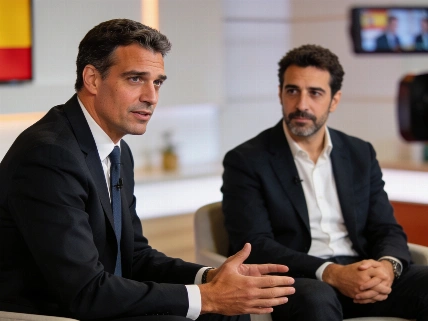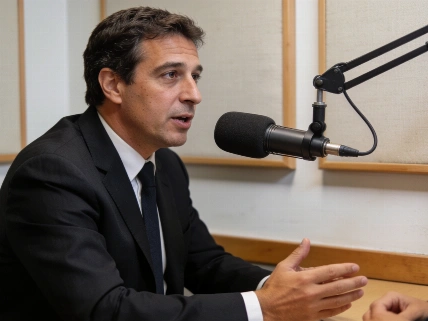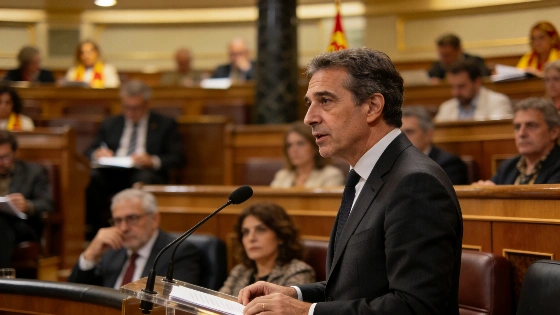
Minister Ángel Víctor Torres addresses claims of census manipulation and clarifies the impact of the nationality law. The debate intensifies as the PP raises concerns over new voters and the handling of corruption cases.
Spain's Minister of Territorial Policy and Democratic Memory, Ángel Víctor Torres, has responded to mounting criticism from the Partido Popular (PP) regarding the so-called 'ley de nietos' and its potential impact on the electoral roll. Torres confirmed that by the summer of 2027, as many as 500,000 new Spanish citizens could be eligible to vote, following the processing of applications under the Democratic Memory Law. He emphasized that the process mirrors previous nationality expansions and dismissed accusations of deliberate acceleration or manipulation.
The PP has accused the government of 'electoral engineering' and manipulating the census, particularly as the majority of the 2.4 million applicants are expected to meet the requirements for Spanish nationality. Torres highlighted that over 300,000 applicants already possess Spanish passports, with nearly 600,000 recognized as eligible. He pointed out that similar legislative changes occurred under both Felipe González and José María Aznar, and criticized the PP for what he described as inconsistent positions between Madrid and Buenos Aires.
Addressing concerns about the criteria for nationality, Torres clarified that the current instruction presumes exile status for Spaniards who left the country between July 1936 and December 1955, a measure introduced in 2022. He noted that many applicants are descendants of those who emigrated for social or economic reasons during the dictatorship, and questioned the timing of the controversy. The majority of applications have come from Argentina, reflecting the country's significant Galician, Canarian, and Asturian communities.
On the technical side, Torres stressed that only public officials validate nationality files, despite the reinforcement of consular services due to high demand. He criticized PP leaders Alberto Núñez Feijóo and Isabel Díaz Ayuso for casting doubt on the integrity of civil servants, calling such claims unfounded. The minister also addressed broader concerns about judicial independence, referencing recent high-profile cases and the perception of 'lawfare' in Spain. He argued that while most judges act fairly, the public spectacle surrounding some investigations undermines trust in the justice system.
Corruption cases remain a sensitive topic. Torres discussed the Supreme Court's decision to reduce the sentence of Víctor de Aldama, a central figure in the 'caso Koldo', after his cooperation with authorities. He expressed concern that convicted individuals are sometimes portrayed as anti-corruption champions and noted that he has filed a defamation complaint against Aldama. The issue of political accountability was also raised, with Torres contrasting the PSOE's handling of internal investigations with the PP's response to past scandals.
Debate over immigration policy has intensified, with Feijóo criticizing the extension of healthcare and education rights to regularized immigrants. Torres accused the PP of selective memory, recalling that nearly 600,000 immigrants were regularized under Aznar. He argued that the current rhetoric is driven by political ambition and warned that the PP's alignment with Vox has shifted the political landscape, allowing far-right positions to gain influence in regional coalitions.
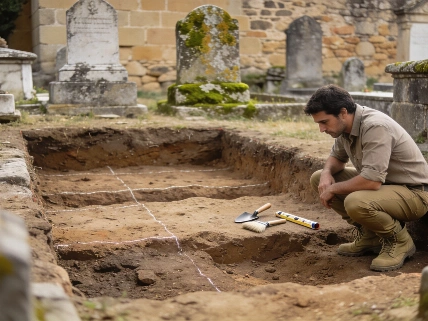
The controversy extends to the implementation of the Democratic Memory Law, particularly regarding the removal of Francoist symbols and the resignification of the Valle de Cuelgamuros. Torres acknowledged ongoing legal challenges and resistance from some regional administrations but insisted that the government remains committed to enforcing the law and beginning works as soon as possible. He noted that sanctions are foreseen for non-compliance, and that an independent commission is reviewing additional monuments and inscriptions for removal.
For context, recent judicial decisions have drawn public attention to the handling of corruption cases in Spain. In a separate development, a court in Alicante sentenced a couple to over 13 years in prison for the killing and dismemberment of their flatmate, a case that highlighted the complexities of criminal investigations and the role of the justice system. Details of this case can be found in the report on the Alicante flatmate murder sentencing.
Spain's evolving nationality laws and the political debate surrounding them reflect broader questions about identity, historical memory, and the future of democratic participation. As the 2027 general elections approach, the integration of new citizens and the management of historical legacies remain at the center of national discourse. The government's approach to these issues will likely shape both the electoral landscape and public trust in institutions in the coming years.