Spain faces a surge of extreme heat with forty one provinces on alert. Temperatures could reach forty two degrees in key regions. Authorities warn of fire risk and dangerous nights ahead.
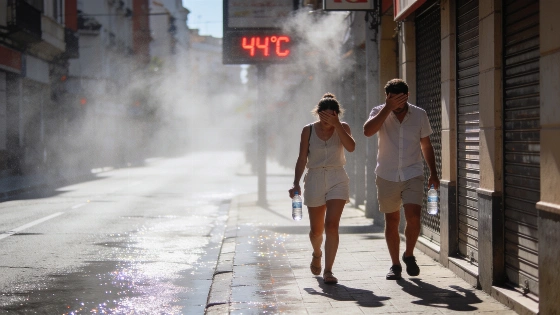
Spain is facing a sharp rise in temperatures as a heat dome puts forty one provinces under official alert. The State Meteorological Agency (Aemet) warns that some areas could see highs of up to forty two degrees, with the most serious warnings in the Ebro valley and northeastern lowlands. This comes after two weeks of milder weather, now replaced by hot, dry air carrying dust from North Africa and the Alborán Sea.
Most of the country is affected, but the Balearic and Canary Islands are not under alert. Provinces including A Coruña, Alicante, Almería, Castellón, Las Palmas de Gran Canaria, Málaga, Pontevedra, and Santa Cruz de Tenerife are also outside the warning zones, according to Aemet. The agency links the sudden heat to a low-pressure system southwest of the peninsula and steady high pressure over North Africa, which together are funneling hot air across much of Spain.
"The peak of the heat episode is expected on September 5, with red alerts issued for 41 provinces across 15 autonomous communities."
El Mundo
Daytime temperatures are set to rise further in the Mediterranean and northern half of the country. In contrast, western Galicia, Extremadura, and western Andalusia may see a slight drop due to Atlantic air. The most intense heat will hit the Ebro valley and southern river basins, where temperatures are expected to top forty degrees. Nights will stay warm, with lows of twenty four to twenty five degrees in the southwest and around twenty two in the northeast, leading to what meteorologists call 'tropical' and 'scorching' nights.
Authorities warn that fire risk will be very high or extreme, especially as instability and suspended dust increase from Friday. Storms may develop over the weekend, but Aemet says their strength and duration are still uncertain. Despite the severity, the agency does not plan to issue a special heatwave alert, citing the likely short duration and uneven impact of this episode.
"According to Reuters, Spain recorded 2,149 heat-related deaths last month, highlighting the serious public health risks posed by extreme temperatures. This summer has also been one of the warmest on record, with August 2026 ranking among the hottest months ever observed by Aemet."
Reuters
The forecast points to a gradual cooling from the west as the low-pressure system moves closer. On Saturday, highs will still approach forty degrees in the Ebro valley and southern lowlands, but by Sunday, a more noticeable drop is expected in western Spain, especially in Galicia. The Ebro valley and northeast may still see highs above thirty nine degrees, and the eastern Cantabrian region could see temperatures rise again.
Nights will remain unusually warm through the weekend, especially in the southwest, where lows may not dip below twenty five degrees. Early next week, high temperatures are likely to persist in the southwest and eastern interior, before a broader cooldown brings values closer to normal by Tuesday or Wednesday.
Spain has faced more frequent and severe heatwaves and wildfires in recent years. This latest episode follows a pattern of sudden weather shifts, as seen with the recent Atlantic storm that brought rain and cooler air to some regions. These swings make planning harder for both residents and emergency services, who must quickly switch between fire prevention and storm response. The current heat dome highlights how Spain's climate risks are growing, and how emergency planning is becoming more difficult. The decision not to declare a formal heatwave alert, despite widespread warnings, reflects a cautious approach and the challenge of adapting to unpredictable weather. For millions in the affected provinces, the next few days will test both personal endurance and the capacity of local infrastructure and emergency services.