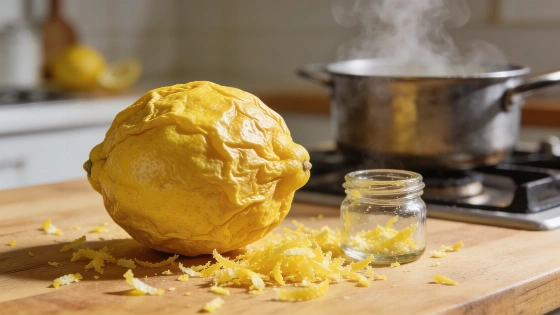
A lemon that has dried out and hardened is not necessarily destined for the bin. Even when the juice is gone, its peel and aroma can be put to good use in the kitchen and around the house. Here’s how to safely reuse dried lemons and why it matters.
A lemon left too long in the fruit bowl often turns hard, wrinkled, and nearly juiceless. Yet, as long as it shows no signs of mold, rot, or odd smells, this dried-out fruit can still serve a purpose. The key is knowing how to use what remains—and why it’s worth the effort.
The most valuable part of a dried lemon is its yellow outer peel. According to guidance from Utah State University, lemon zest can be grated from even a hardened fruit, then stored in an airtight container in a cool, dry place. This zest retains enough citrus fragrance to enhance recipes or freshen up your home, even if the lemon’s nutritional value has faded.
Safe Use in the Kitchen
Before using a dried lemon, it’s essential to wash it thoroughly under running water and dry it well. The FDA advises discarding any fruit with visible rot, mold, or a fermented smell, and warns against using soap or detergent on food. If the lemon is simply dehydrated but otherwise intact, the zest can be grated or ground into a fine powder for later use.
Only the yellow part of the peel should be used, as the white pith underneath can add unwanted bitterness. A pinch of dried zest can brighten cakes, cookies, rice dishes, sauces, fish, or roasted vegetables. Slices of dried lemon can also be added to tea or herbal infusions for a subtle citrus note. It’s important to keep lemons used for cooking separate from those intended for cleaning.
Household Uses Beyond Cooking
Dried lemons can also help around the house. Simmering a few pieces in water for several minutes will fill the kitchen with a fresh citrus scent—just be sure not to leave the pot unattended. After softening in hot water, a dried lemon can be rubbed on acid-resistant taps or sinks to help remove light limescale, thanks to its natural acidity. For cleaning microwaves, placing lemon pieces in a bowl of water and heating them creates steam that loosens grime, making it easier to wipe away.
While these methods can help clean and deodorize, they do not disinfect. For proper disinfection, only approved cleaning products should be used according to their instructions. Mixing lemon with bleach or other disinfectants is unsafe, as it can release hazardous fumes.
Reducing Food Waste
Repurposing dried lemons is a small but effective way to cut down on food waste—a priority highlighted by the FAO, which ranks waste reduction above recycling or disposal. By finding new uses for fruit that would otherwise be thrown away, households can make a practical contribution to sustainability.
In summary, a dried-out lemon may have lost its juice, but it still offers value in the kitchen and beyond. With a few precautions, it can add flavor, fragrance, and even help with light cleaning, turning what might seem like waste into a useful resource.