World Cup Bid Failure: How Puebla Invested Millions for a Football Festival. The Puebla authorities spent hundreds of thousands of euros renovating the stadium in hopes of hosting the World Cup. After their bid failed, the city organized a high-profile match against Spain, turning it into a major event for football fans.
In Puebla, a football experiment aimed at making the city a world sports hub has come to an end. The authorities invested 300,000 euros to replace the turf at the Cuauhtémoc Stadium, hoping to attract the World Cup or at least become a training base for one of the national teams. However, these efforts did not bring the expected result: Puebla was not selected as a World Cup host city nor as a base for any team.
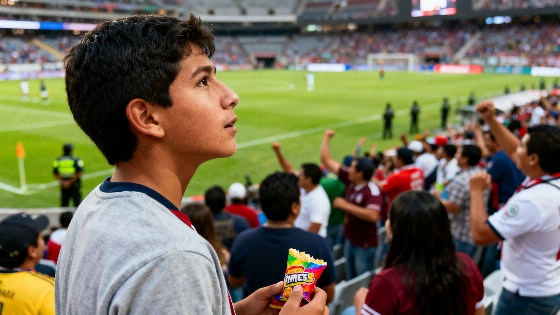
Instead, the city received a consolation prize—a friendly match with Spain, which became a real event for local residents. For bringing the national team, the RFEF received 5 million euros, partially offsetting the cancellation of the Finalissima. Despite the pouring rain, hundreds of fans came to greet the team at the airport, and the atmosphere around the stadium felt like a large-scale celebration. Security was ensured by numerous police and military personnel, creating a contrast between the festive crowds and strict order.
The match organization differed from the usual standards. Instead of the score, the scoreboard showed the menu with food prices, and the announcer read out the cost of every dish over the loudspeaker. Workers delivered boxes of snacks through the rows, and fans encountered unusual treats such as a 'tree' made of cotton candy. The entire stadium was filled with music and color, and the fans welcomed their guests with openness and enthusiasm.
Before the game began, an unusually long version of Spain's national anthem was played, surprising the players. During the match, music played throughout the stadium, and after every notable moment, popular tracks were played—from reggaeton to Grupo Frontera. The organizers added show elements: the screens displayed the 'kiss cam' and 'se parece cam,' where spectators saw their lookalikes. This approach resembled the format of matches in the US, where football becomes part of a larger entertainment event.
Pedri drew special attention from the fans. His name was heard more often than others in the stands, and after his successful plays and scored goal, the stadium erupted in applause. After the match, the player admitted he did not expect such support in Mexico. The game against Spain was not only a sporting event for Puebla, but also an emotional one that partly allowed the city to overcome disappointment from their World Cup setback.
Such matches are becoming increasingly important for national teams, especially amid changes to the international calendar. As russpain.com notes, the role of individual players and coaching decisions in these games often comes to the forefront—you can read more about the tactical nuances and Spain's squad in the article about the key figures on the team's road to the World Cup.
For reference: the Cuauhtémoc stadium is one of the largest in Mexico, and its reconstruction has repeatedly been a topic of discussion in sports circles. Puebla previously hosted matches during the 1986 World Cup, but this time the city was not included in the main program. The match held with Spain became the region’s most notable football event of the season, demonstrating how local initiatives can turn into large-scale celebrations even in the absence of major tournaments.