Funeraria El Salvador Employees Deny Involvement in Coffin Swaps, Blame Deceased Owner. In the Funeraria El Salvador court case, employees have largely distanced themselves from accusations of coffin tampering. All responsibility was placed on the late owner. A key witness died in a tragic incident.
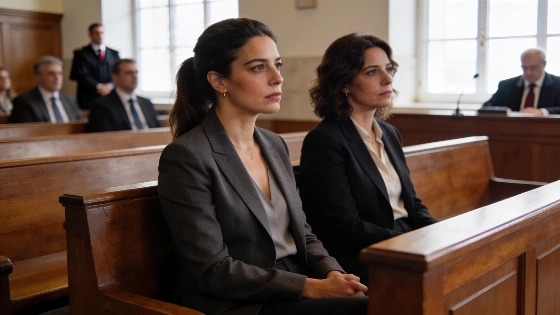
In Valladolid, the high-profile Funeraria El Salvador case continues, with nearly twenty employees in the dock accused of coffin fraud. At the hearings, company workers—many of whom are relatives or longtime acquaintances of the owner—unanimously stated that they had no involvement in coffin “swapping” before cremation and were only following instructions from the now-deceased company director.
The main defendant is Justo Martín Garrido, a former crematorium operator who, over twenty years, recorded possible violations in 26 notebooks, collecting photo and video evidence. His records formed the basis of the investigation launched in 2019. However, according to most employees, they hardly ever crossed paths with Justo, were unaware of his actions, and did not participate in any suspicious operations. In their statements, they stressed that they worked different shifts, and Justo was reserved, preferring to be alone on the premises in the evenings.
According to case materials, chaos reigned within the company: employees handled all kinds of tasks—from paperwork to working in the crematorium and overseeing funeral processions, with payments from clients often made in cash. According to the owner's daughter, Rosario Morchón Vaquero, all decisions were made solely by her father, while the rest simply carried out his orders. This stance was echoed by other defendants, including Victorio Senovilla, who admitted to repairing coffins and supplying them to the company, but claimed he knew nothing about the money’s origin or the details of the scheme.
During the hearings, the defense of the employees was based on the claim that all suspicious actions were allegedly initiated by Justo Martín Garrido, who, according to their statements, acted independently and reported to no one. Meanwhile, many of them were mentioned in his records as participants in the operations, but in court they denied even knowing him. This approach allowed the defendants to distance themselves from the core of the accusations and shift all responsibility onto the deceased owner and the late witness.
The context of the Funeraria El Salvador case recalls other high-profile stories in Spain where official versions of events were questioned. For example, recently the authorities in Valencia denied reports of deaths on Oliva beach, which sparked significant public outcry (details in the russpain.com article).
Funeraria El Salvador is one of the largest funeral companies in the Castile and León region. The case of the 'coffin swaps' has become one of the most widely discussed court proceedings in recent years in Valladolid. In Spain, the funeral business traditionally remains closed to the wider public, and such scandals rarely become public knowledge. According to RUSSPAIN, the investigation is ongoing, and the court's final conclusions could impact the regulation of the industry and oversight of funeral services in the country.