Italy maintains strict checks on travelers from Spain, calling Madrid's reciprocal controls unacceptable. The dispute follows mass arrivals in Ceuta and renewed fears over border security. Both governments defend their actions.
Italy has sharply criticized Spain's decision to introduce border checks on travelers arriving from Italy, escalating a diplomatic standoff over migration and Schengen rules. The Italian government, led by Giorgia Meloni, insists its own controls on Spanish arrivals will remain in place, despite Madrid's move to mirror these measures from midnight last Saturday.
Deputy Prime Minister Matteo Salvini accused Spain of acting in a way that “borders on the ridiculous,” arguing that Italy is defending European borders while Spain has failed to do so. Salvini pointed to Spain's recent regularization of 500,000 undocumented migrants as a factor encouraging further arrivals, and questioned whether potential jihadists could be among the thousands who entered Ceuta at the end of July.
Foreign Minister Antonio Tajani reinforced Italy's stance, describing Spain's response as a “disproportionate reprisal” and confirming that Italian border checks will continue. Tajani emphasized that the suspension of Schengen is necessary to protect Italy's borders, citing security concerns linked to the arrival of migrants from sub-Saharan Africa. He warned of a possible new influx in mid-August and said Italy would only lift its controls once the perceived risk has passed.
On the Spanish side, Third Vice President Sara Aagesen expressed hope that Italy would reconsider, stressing that Spain has not violated Schengen rules and that no migrants who entered Ceuta have reached the mainland. She underlined that police controls are in place to prevent unauthorized movement into continental Europe. Aagesen also addressed legal warnings from Senate President Pedro Rollán, noting that several ministers have already requested to appear before Congress voluntarily.
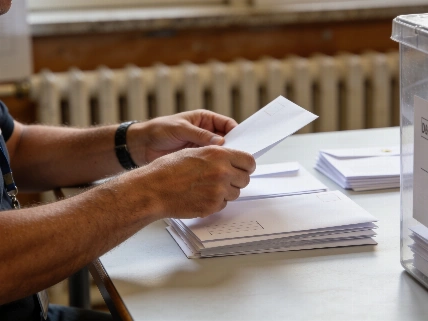
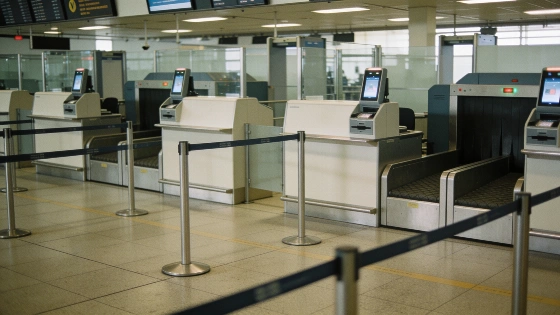
The Spanish government's decision, published in the official state bulletin on Sunday, establishes random checks for 30 days—between August 8 and September 7—on air and sea connections from Italy. On the first day of implementation, police conducted 199 document checks on passengers from 12 Italian flights at Spain's busiest airports.
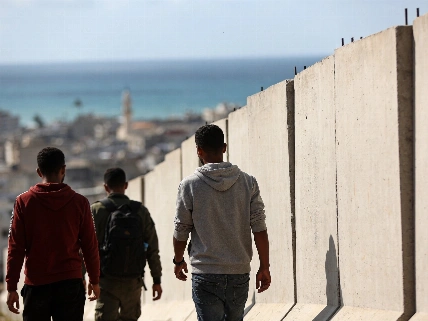
Italy introduced its own controls after the mass entry of migrants into Ceuta on July 30 and 31. Spain demanded that Italy lift these measures, setting a deadline for Sunday, but Rome refused. As a result, Spain reinstated equivalent checks on Italian travelers from Saturday night. The ongoing dispute highlights the broader European debate over border management and migration, especially as Ceuta remains a focal point for arrivals and security concerns. This tension follows recent warnings from Ceuta's leadership about the city's vulnerability and the EU's reliance on cooperation with Morocco, as detailed in recent coverage of Ceuta's security challenges.
Schengen rules, which guarantee free movement across much of Europe, allow for temporary border controls in cases of serious threat. Both Italy and Spain have invoked these provisions amid concerns over irregular migration and potential security risks. The current standoff underscores the fragility of European consensus on migration policy and the practical impact of border measures on travelers, airlines, and local economies. As the situation develops, further adjustments to border protocols remain possible, depending on migration flows and political negotiations between the two countries.