La Camarga, once a discreet Barcelona restaurant, shut down after a political espionage scandal and the pandemic. Its infamous private room remains almost unchanged under new management. The case left a lasting mark on local dining.
La Camarga, a well-known Barcelona restaurant, became the center of a political storm after a covert recording in 2010 exposed confidential conversations between Alícia Sánchez-Camacho, then leader of the PP in Catalonia, and Victoria Álvarez, former partner of Jordi Pujol Ferrusola. The meeting, held in one of the restaurant’s private rooms, triggered a major scandal involving allegations of money laundering and political espionage. Although the restaurant’s owners were not involved, the incident severely damaged their reputation and led to a sharp decline in business.
The fallout from the scandal was immediate. Journalists crowded the establishment, while regular customers disappeared. Despite efforts to recover, the restaurant struggled for months. The final blow came with the COVID-19 pandemic, which forced La Camarga to close its doors permanently. David Vidal, who owned the restaurant with his sister Núria, described the period as a nightmare and has since avoided discussing the episode, focusing instead on his current ventures.
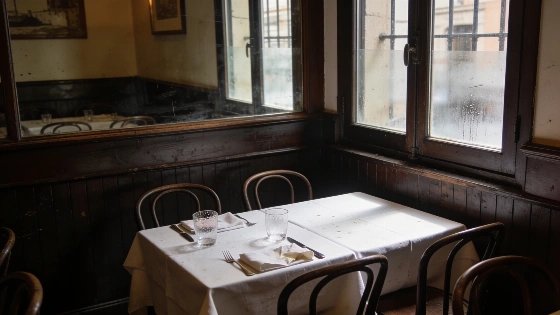
Today, the location at Aribau 115 and 117 has been revived as El Cangrejo Loco, a seafood and rice restaurant managed by Toni Herrero. The new owner notes that the infamous private room, now called Venus, remains largely unchanged and continues to attract curiosity from diners aware of its history. Herrero emphasizes that the previous owners had no connection to the events, and that such incidents could happen to any venue offering private spaces for meetings.
El Cangrejo Loco has found success with its midday menu and local clientele, while the original name La Camarga has faded from Barcelona’s dining scene. The story of the restaurant serves as a reminder of how external events can irreversibly alter the fate of a business. In a similar vein, other establishments have faced public scrutiny due to high-profile incidents, such as the case involving Carlos Mazón and journalist Maribel Vilaplana in Valencia, where the restaurant El Ventorro became the focus of attention during a regional emergency. Despite the controversy, El Ventorro continues to operate, though its owner admits the experience was stressful and has since removed the restaurant’s sign to deter onlookers.
These episodes highlight the vulnerability of hospitality businesses to events beyond their control. The La Camarga case, in particular, illustrates how a single incident can overshadow years of work and force a permanent closure. For context, the impact of legal and political scandals on individuals and institutions has been explored in other recent stories, such as the account of a former mayor’s experience with the Spanish justice system, available at this detailed report.
La Camarga’s story is now part of Barcelona’s urban memory. The restaurant’s name, once associated with a tranquil French region, is now linked to one of Spain’s most notorious political scandals. The transformation of its premises into a new dining spot reflects the resilience of the city’s hospitality sector, even as the shadow of past controversies lingers.
Private dining rooms remain popular in Barcelona, especially for business meetings and confidential gatherings. However, the La Camarga episode has made many restaurateurs more cautious about privacy and security. The case also underscores the broader risks faced by businesses when caught in the crossfire of political intrigue or public controversy.