Two Lleida farmers seek €1 million in damages after police mistook their legal hemp for marijuana. The crop was seized and held for two years, causing severe financial loss. A toxicology report later confirmed the plants were non-psychoactive.
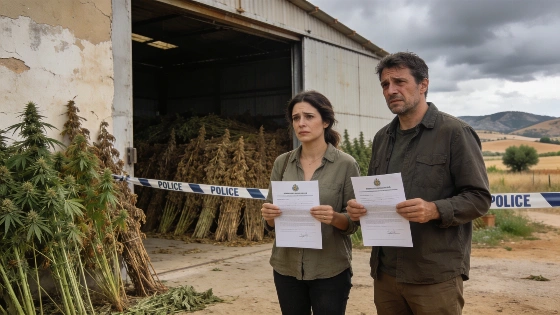
Two lifelong farmers from Lleida are demanding €1 million in compensation from the Spanish state after their industrial hemp harvest was seized and held for two years, following a police operation that wrongly identified the crop as marijuana. The incident, which began in March 2023, left the couple's business paralyzed and their finances devastated, as reported by EFE.
The case started when the Mossos d'Esquadra intercepted a 30-kilogram package of hemp sent by Anna and Albert as a sample from their newly established company. Despite having all required permits and notifying authorities about their activities, the couple soon found themselves under criminal investigation for alleged public health offenses. The entire harvest, stored for drying and future sale, was immobilized by court order until May 2025, effectively freezing their operations.
Anna described the ordeal as life-altering, stating that they were treated as drug traffickers despite following all legal procedures for cultivating industrial hemp. The couple had invested in 40,000 cannabis sativa seeds and cultivated over four hectares in Juneda, aiming to supply the textile and wholesale plant markets, as well as other agricultural sectors. Their business plan was built around legal uses of hemp, which is permitted in Spain provided THC levels remain below 0.3%.
The turning point came in October 2024, when the National Institute of Toxicology analyzed 29 samples from the seized crop. The results showed a maximum THC content of 0.2%, confirming the plants were non-psychoactive and compliant with Spanish law and Supreme Court standards. This finding led to the closure of the criminal case, but not before the couple had endured two years of uncertainty and financial ruin.
Industrial hemp is legally distinct from marijuana in Spain, with strict regulations on THC content. Farmers must obtain specific licenses and are subject to regular inspections. However, confusion between hemp and marijuana remains a recurring issue, sometimes resulting in legal disputes and economic losses for growers. The case in Lleida highlights ongoing challenges in the sector, where administrative errors or misinterpretations can have severe consequences for legitimate agricultural businesses.