Madrid authorities ordered Casa Árabe’s evacuation after years of documented structural risks. Internal records show the city ignored repeated reform requests. The dispute now threatens the building’s future and Spain’s diplomatic standing.
Casa Árabe in Madrid now sits empty after city officials finally ordered an evacuation, but the real story is how long the risks were known and left unaddressed. Internal council documents and a Ministry of Culture report show that Madrid City Hall had been aware of serious structural problems since at least December 2022. Despite repeated warnings and formal requests for urgent repairs, the city did not act until the situation became critical in 2026.
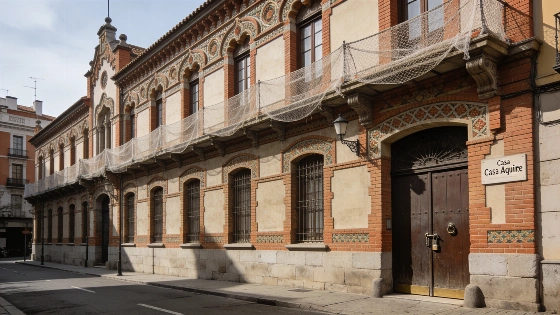
The crisis became public in June, when the city abruptly ordered Casa Árabe to leave the historic Escuelas Aguirre building. Mayor José Luis Martínez-Almeida accused the Ministry of Foreign Affairs of "illegal occupation," turning a bureaucratic dispute into a political fight. Behind the scenes, records point to a pattern of neglect and shifting blame. A Ministry of Culture inspection in May 2025 found "serious pathologies" in the building’s structure, caused by both its original construction and later changes. The report made clear that Casa Árabe’s maintenance was not to blame, contradicting the city’s claims.
The official deadline for Casa Árabe to vacate Escuelas Aguirre expired on September 1, 2026, with city authorities preparing alternative plans in case the organization did not leave voluntarily.
Casa Árabe’s management had raised the need for major repairs as early as the December 2022 Council meeting, and again in June 2025, saying it lacked the funds to handle the project alone. The city did not respond. Even after safety nets were installed on the cornices in 2023, no full repair followed. When questioned, Mayor Martínez-Almeida said the city could not wait for consensus and blamed the Ministry of Foreign Affairs for the stalemate, calling further delay "irresponsible." According to several Spanish media outlets, the mayor repeatedly tied the urgency of eviction to the need for immediate repairs and building safety, using structural concerns as the main reason for the city’s actions.
The Ministry of Foreign Affairs, which co-manages Casa Árabe, rejected claims of poor communication or illegal occupation. Officials pointed to direct calls and technical meetings with the city throughout 2025, and noted that the Community of Madrid’s withdrawal from the consortium had not yet been formalized. The ministry warned that closing Casa Árabe would harm Spain’s international image and its relations with Arab countries, which it described as historically strong. Arab ambassadors and students have spoken out in support, and the ministry insists the institution should remain open. As reported by Infobae and other sources, the Ministry of Foreign Affairs argued that the unresolved status of the consortium, including the pending exit of the Community of Madrid, made unilateral decisions about the building more complicated.
With the building’s main spaces now closed and staff working remotely, the dispute has moved into local politics. Más Madrid plans to introduce motions in the Retiro and Salamanca district councils calling for Casa Árabe to stay in Escuelas Aguirre, respect for the current use agreement, and the creation of a dialogue table between all parties. The proposal also asks that the building’s institutional, cultural, and public roles be preserved.
Casa Árabe has operated in the former Escuelas Aguirre building since 2008, with the consortium including the Ministry of Foreign Affairs, Madrid City Hall, the Community of Madrid, Junta de Andalucía, and the City of Córdoba. This multi-institutional structure means that decisions about the building require agreement among several parties, complicating any rapid resolution.
At the center of the conflict is not just the building’s physical decline, but a breakdown in institutional responsibility. The city says it could not wait for a deal, while Casa Árabe says it repeatedly asked for help it could not afford. The Ministry of Culture’s report is clear: the building’s problems come from its construction and years of changes, not from Casa Árabe’s upkeep. This pattern is familiar from other Madrid property disputes, as seen in a previous investigation into the city’s management of high-profile real estate.
The Casa Árabe case shows a recurring problem: authorities delay action until a crisis forces them to respond, then look for someone to blame. The city’s refusal to address reform requests, despite clear evidence of risk, has now led to an expensive evacuation and a diplomatic problem. When political maneuvering takes priority over practical responsibility, Madrid’s cultural and international interests pay the price.