Madrid’s city government has ordered Casa Árabe to leave its historic headquarters by September. The move adds to a series of disputes between the PP and Spain’s Foreign Ministry, raising concerns over diplomatic ties.
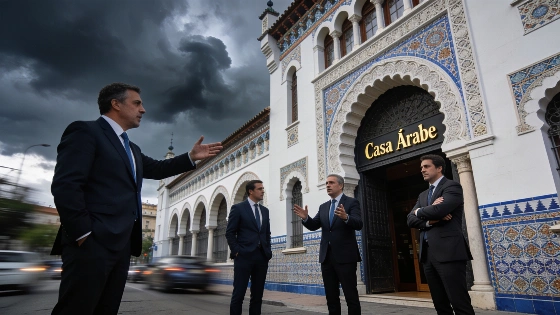
The Madrid City Council has given Casa Árabe until September 1 to vacate its emblematic headquarters in the Escuelas Aguirre building, escalating a dispute that now sits at the center of Spain’s foreign policy tensions. The decision, justified by the city as necessary due to structural issues and the need for urgent repairs, has drawn sharp criticism from the Ministry of Foreign Affairs. Minister José Manuel Albares accused the Partido Popular (PP) of deliberately undermining Spain’s relations with the Arab world, highlighting the eviction as the latest in a series of confrontations between the national government and PP-led institutions.
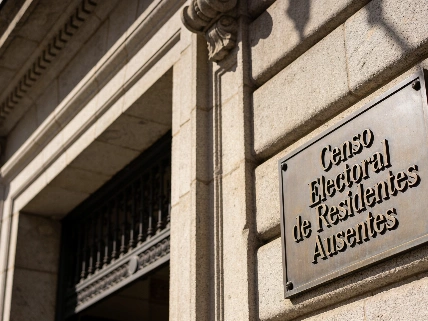
Casa Árabe, established 18 years ago as a hub for cultural and diplomatic exchange between Spain and Arab countries, operates under a consortium that includes the Ministry of Foreign Affairs, AECID, the Junta de Andalucía, and the city councils of Madrid and Córdoba. The building, a neo-Mudejar landmark on Calle de Alcalá, has hosted countless public events and is part of Spain’s broader network of public diplomacy centers. Despite its role, Madrid’s mayor, José Luis Martínez-Almeida, insists the institution’s activity and staffing do not justify its continued use of such a prominent property. He also blamed former director Irene Lozano for financial mismanagement, though she left the post over a year ago.
The city council has not disclosed future plans for the Escuelas Aguirre building, stating only that it aims to return the space to general public use. While officials have offered to assist the Foreign Ministry in finding a new location for Casa Árabe, they have ruled out providing another municipally owned property. The eviction follows the Community of Madrid’s earlier decision to withdraw from the Casa Árabe consortium, citing financial irregularities flagged by the Tribunal de Cuentas for 2023-24.
This local dispute comes amid broader clashes between the PP and the central government over key international agreements. Albares has accused the PP of blocking the ratification of the Treaty of Friendship and Cooperation with France, signed in Barcelona in 2023, after the party initiated a constitutional review in the Senate. The PP has also criticized the provisional implementation of the EU-UK Gibraltar agreement, which led to the demolition of La Verja, calling it a “fraud” and accusing Prime Minister Pedro Sánchez of bypassing parliamentary approval and weakening Spain’s negotiating position post-Brexit.
Within the PP, opinions on the Gibraltar deal are divided. Andalusian president Juan Manuel Moreno welcomed the removal of the border fence as positive for the Campo de Gibraltar, but emphasized the need for real fiscal equality. Party leader Alberto Núñez Feijóo echoed the call for fiscal parity, stressing that any agreement must protect Spain’s national interests and be subject to parliamentary oversight.
These disputes reflect a pattern of ongoing friction between the government and the PP throughout the current legislative term, spanning issues from Venezuela policy to military spending commitments and the recognition of regional languages in European institutions. The Casa Árabe eviction, however, stands out for its potential impact on Spain’s public diplomacy and cultural outreach in the Arab world.
Casa Árabe’s role as a bridge between Spanish and Arab societies has been significant, offering cultural programming, educational initiatives, and forums for dialogue. Its eviction from a central Madrid location could complicate Spain’s efforts to maintain strong ties with Arab countries at a time when international relations are increasingly sensitive. The situation also highlights the intersection of local politics and national foreign policy, as decisions made at the municipal level can have broader diplomatic repercussions. The outcome of this dispute may influence how Spain manages its cultural diplomacy and international partnerships in the years ahead.