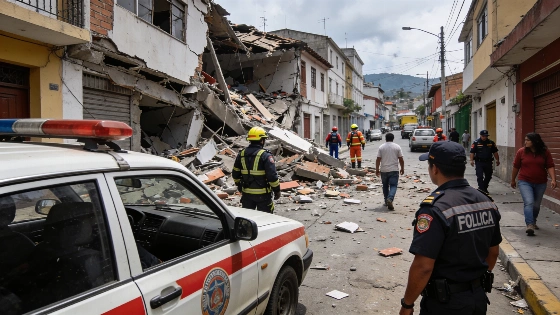
A 7.4-magnitude earthquake hit Choco, Colombia, causing severe damage and casualties. Airports and roads are disrupted, with power and communication outages reported. Authorities and the U.S. Embassy are coordinating emergency response.
Colombia is facing a national emergency after a 7.4-magnitude earthquake struck the Choco region early on August 10, causing widespread destruction and leaving at least 164 people dead. The quake, recorded by the U.S. Geological Survey at 7:34 a.m. local time, had its epicenter just east of San Jose del Palmar, about 150 miles from Bogota. The tremors were felt not only across Colombia but also in neighboring Panama, Venezuela, Ecuador, and Peru, with multiple cities reporting collapsed buildings, damaged infrastructure, and blocked roads.
Authorities have declared a natural disaster and mobilized first responders to the hardest-hit areas. The scale of the damage has led to extensive power, mobile, and internet outages, complicating rescue and recovery efforts. The U.S. Embassy in Bogota is actively assisting affected U.S. citizens and monitoring the situation, including disruptions to airports and overland routes.
Transport across the region has been severely impacted. The airport in Pereira remains closed due to structural damage, while commercial flights are suspended at Cartago, Buenaventura, and Manizales. However, major airports in Quibdo, Armenia, Cali, Medellin, and Bogota are still operating, though delays are expected. The Popayan airport is also closed amid concerns over the Purace volcano system. Despite the disruptions, the U.S. Embassy is not organizing evacuation flights, citing the continued availability of commercial air travel.
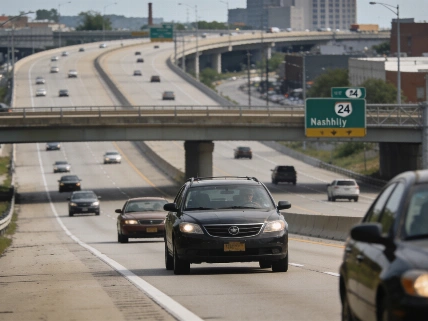
On the ground, road travel is hazardous. Landslides and debris are common, and the National Roads Institute (Invias) is assessing the safety of key routes. Their hotline and SMS chatbot provide updates for those needing to travel. While land borders with Venezuela and Ecuador remain open, authorities warn that border areas are dangerous due to crime and armed conflict. The railway network is under inspection but has not reported significant damage, though passenger services are limited.
Residents and travelers are urged to notify family of their safety, follow local media for updates, and comply with instructions from authorities. The U.S. Embassy recommends enrolling in the Smart Traveler Enrollment Program (STEP) for security alerts and following official channels on WhatsApp and X for real-time information. Essential documents should be kept accessible and up to date.
In the aftermath of the quake, safety remains a priority. People are advised to shelter in place during aftershocks, protect themselves from falling objects, and avoid using open flames due to the risk of gas leaks. First aid should be administered if possible, and evacuation is recommended only if there are immediate hazards. Local media and official instructions remain the primary sources for recovery guidance.
The U.S. Embassy in Bogota continues to provide emergency and routine consular services, including passport and notary support. The Consular Agency in Barranquilla is also operational. For assistance, U.S. citizens can contact the Department of State or the embassy directly. The situation is evolving, and travelers should remain vigilant as authorities work to restore normalcy.
Severe weather and natural disasters have tested emergency services in the region before, as seen when violent storms hit southern Valencia, causing record winds and flooding in Alcoi and Villena. Emergency crews managed over 160 incidents in Alicante province during that event, highlighting the ongoing challenges faced by authorities in responding to large-scale crises. More details on that response can be found in this report on the storm impact in Valencia.
Colombia's earthquake underscores the vulnerability of infrastructure and the importance of coordinated emergency response. With communications still unstable and many areas difficult to access, the coming days will be critical for rescue operations and restoring essential services. The situation remains fluid, and updates are expected as assessments continue.