A wildfire in Burgohondo has destroyed a protected area in Ávila. Residents express outrage over insufficient firefighting resources. Emergency crews report exhaustion and frustration as the fire spreads rapidly.
A massive wildfire has swept through the Valle de Iruelas in Ávila, leaving behind a scene of devastation and sparking intense anger among local residents. The fire, which began in Burgohondo, quickly consumed a protected natural area, killing wildlife and destroying forests. Emergency services struggled to contain the blaze, with many firefighters describing the situation as overwhelming and unprecedented in recent years.
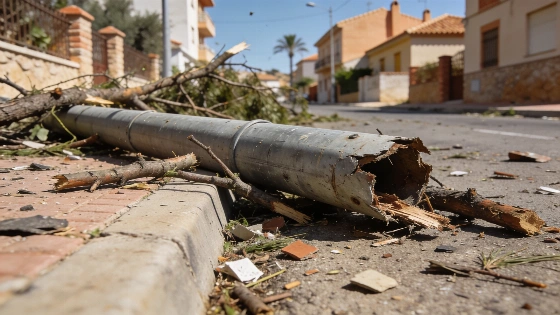
As the flames advanced, the impact became immediately visible: several roe deer were found dead, some having fallen while fleeing, their bodies scattered across scorched roads and hillsides. Charred trees, some collapsed onto the road, continued to smolder, contributing to a thick, dark cloud that has blanketed the southern part of Ávila since the fire erupted. The scale of destruction has left residents both furious and helpless, with many criticizing the lack of adequate firefighting resources and support.
Fire crews endured a harrowing night as the fire spread rapidly, reaching the outskirts of El Tiemblo, a town that swells with summer residents. The situation was made worse by multiple active fronts, forcing teams to rotate shifts through the night. Several firefighters reported extreme fatigue and stress, with some saying they had never experienced such a crisis, especially as other major fires have recently strained resources across Ávila, Madrid, León, Guadalajara, and Segovia. In some areas, favorable winds helped slow the fire, but in Valle de Iruelas, the flames destroyed nearly everything in their path.
Residents of El Tiemblo faced the fire directly as it entered the town, burning gardens, walls, and crops. Some refused to evacuate, choosing instead to defend their homes with hoses and improvised means, frustrated by the absence of visible emergency personnel. Tensions rose as locals confronted unused official equipment parked nearby and pointed out overgrown lots that could reignite if embers landed. The sense of abandonment was palpable, with some residents expressing their anger at authorities and threatening to take matters into their own hands if the situation does not improve.
Retired forest agent Gregorio Moreno voiced the despair felt by many, lamenting that despite modern equipment, fires now seem harder to control due to staff shortages and management issues. The Junta de Castilla y León, responsible for forest management until the state of emergency was declared, has faced criticism for insufficient personnel and resources. Firefighters also reported dangerous situations, including near-entrapments and damaged vehicles, and questioned decisions that left crews inactive for hours as the fire began to spread.
According to reports, the province is operating with significant gaps in staffing and equipment. Of 36 surveillance positions, about a third remain unfilled, and several fire engines are out of service. Some bases lack basic amenities, further complicating response efforts. These shortcomings have fueled public outrage and raised questions about the region's preparedness for such emergencies.
The crisis in Ávila comes amid a period of extreme weather and heightened fire risk across Spain. Recent alerts for severe storms and high temperatures in other regions, such as those highlighted in coverage of weather warnings in southeast Spain, underscore the broader challenges facing emergency services this summer. The combination of drought, heat, and resource shortages has left many communities vulnerable to fast-moving wildfires.
Spain's wildfire season has grown increasingly severe in recent years, with climate conditions and land management practices both contributing to the risk. The Valle de Iruelas fire highlights the urgent need for improved prevention, better coordination, and investment in firefighting infrastructure. As the region assesses the damage and begins recovery, the debate over responsibility and preparedness is likely to intensify.