Málaga authorities have shut several beaches due to high E. coli levels. The ban follows recent storms and repeated contamination incidents. Tourists and locals face new restrictions during peak season.
Several popular beaches in Málaga were closed to swimming on Monday after municipal water tests revealed E. coli concentrations above safe limits. The decision, announced by the city council, affects stretches from San Julián to El Palo, disrupting both local routines and the plans of summer visitors. The move comes less than a month after similar closures, highlighting ongoing concerns about water quality along the Costa del Sol.
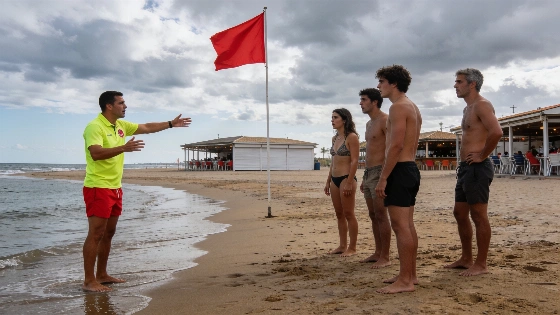
Red flags were raised across key beaches, including San Julián, Guadalmar, La Misericordia, Sacaba, San Andrés, and El Palo, following the latest round of water sampling by the municipal water company Emasa. Lifeguards spent the day warning beachgoers to stay out of the water, but many ignored the instructions, frustrated by the sudden restrictions during a period of high temperatures and humidity. The closures left some chiringuitos half-empty and forced families to seek shade or use public showers instead of swimming.
According to the city council, the contamination is linked to a storm that hit Málaga early Saturday, bringing heavy rainfall and causing the combined sewage and stormwater system to overflow into the sea. This infrastructure, which channels both rainwater and wastewater through the same pipes, is prone to such incidents during intense rain, as authorities try to prevent urban flooding. The council noted that ongoing works aim to separate these networks, with a target of making 70% of the system independent in the future. Officials also urged residents to avoid flushing waste like wipes, which can worsen blockages and increase the risk of spills.
This is not the first time E. coli has forced beach closures in Málaga this year. In late July, El Palo and Pedregalejo beaches were also shut down due to bacterial contamination, even without recent storms. Earlier in March, a broken pipe caused by river flooding led to a similar ban at Guadalmar’s Campo de Golf area. In that case, Emasa redirected the discharge further offshore to minimize the impact. The repeated incidents have drawn criticism from opposition parties, who accuse the city government of failing to invest adequately in sanitation infrastructure and of downplaying the consequences for both residents and the city’s tourism image.
Some locals expressed frustration that certain beaches, such as La Malagueta, remained open, suggesting economic interests may influence decisions. The issue has become particularly sensitive during the peak tourist season and the city’s Feria, with opposition figures highlighting the contrast between official promotion of Málaga as a tourist destination and the reality of red flags along much of its coastline. The debate echoes broader concerns about the resilience of Spain’s coastal infrastructure, especially as extreme weather events become more frequent. Similar challenges have been reported elsewhere in the country, as highlighted in recent coverage of heatwaves and storm impacts, such as the recent surge in temperatures and fire risks across Spain.
Spain’s coastal cities face increasing pressure to modernize aging water and sewage systems, particularly as climate change brings more unpredictable weather. E. coli contamination is a recognized health risk, capable of causing gastrointestinal illness and other complications, especially in vulnerable populations. The World Health Organization recommends strict monitoring of recreational waters, and Spanish law sets clear thresholds for bacterial presence. In Málaga, the repeated closures have prompted calls for greater transparency and faster progress on infrastructure upgrades. For now, authorities continue daily water testing and urge the public to respect swimming bans until conditions return to normal.