Metro Madrid has resumed L10 operations between Plaza de Castilla and Cuzco after upgrades. The section from Cuzco to Nuevos Ministerios remains shut due to ongoing works at Santiago Bernabéu. Free buses continue to cover the affected route.
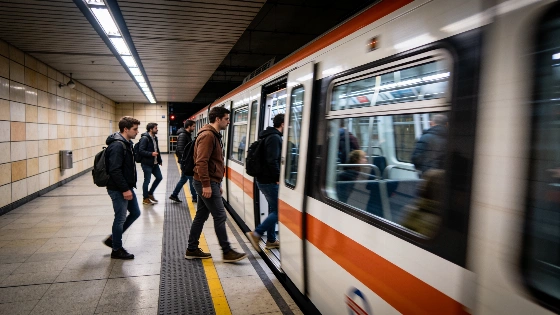
Metro Madrid reopened the L10 line between Plaza de Castilla and Cuzco on Tuesday, restoring a key transport link in the capital after several weeks of improvement works. The section had been closed since July 4 for upgrades at Cuzco station, but trains are now running again from the start of service at 6 a.m. However, the stretch between Cuzco and Nuevos Ministerios remains out of operation, as construction continues at Santiago Bernabéu station.
The ongoing closure, which began on March 28, is part of a major overhaul of the Santiago Bernabéu station. This project, with a budget of €66 million, aims to triple the station’s space and make it fully accessible by adding 12 elevators and 24 escalators. Once completed, the station will be renamed Bernabéu and will feature a large new concourse, replacing the old corridors and improving passenger flow, especially during football matches and major events.
During the works, Metro Madrid has provided a free special bus service between Nuevos Ministerios and Plaza de Castilla to help commuters navigate the disruption. This arrangement will remain in place until the end of summer, when the next phase of construction is expected to be completed. The renovation has already reached about 45% completion, with the new intermediate level structure nearing the original station vault. Demolition of the old station will begin once this phase is finished.
The improvements at Cuzco station, which cost €1.7 million, included waterproofing the infrastructure and removing asbestos from the vault and technical rooms. These upgrades are part of a broader effort to modernize the L10 line and ensure safety for passengers and staff.
In 2025, Santiago Bernabéu station recorded nearly four million entries, with daily peaks of over 34,000 travelers during major events. The regional government plans to inaugurate the new station design in the first quarter of 2027, coinciding with the 125th anniversary of the city’s iconic football club and the 80th anniversary of its stadium. The scale of the project reflects the importance of the area for both daily commuters and event-goers.
Madrid’s metro network is among the busiest in Europe, serving millions of residents and visitors each year. The L10 line, running from Hospital Infanta Sofía to Puerta del Sur, is a vital north-south artery. Disruptions on this line have a significant impact on mobility, making the restoration of service between Plaza de Castilla and Cuzco a notable development for the city. For context, other major events in Spain’s transport sector, such as the recent weather-related halt of LaVuelta in Font-Romeu, also highlight the challenges of maintaining reliable infrastructure. More on that can be found in this report on the LaVuelta disruption.
The full reopening of the L10 line is expected to bring further relief to commuters once the Santiago Bernabéu works are finished. Until then, passengers will need to rely on the special bus service and plan for possible delays in the affected area.