A 61-year-old man died at Hospital de Donostia after contracting mpox. Cancer, severe immune suppression and a suspected hospital exposure have complicated the search for the direct cause.
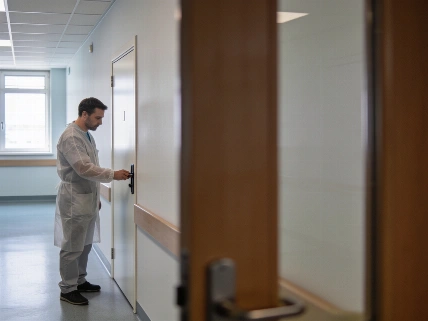
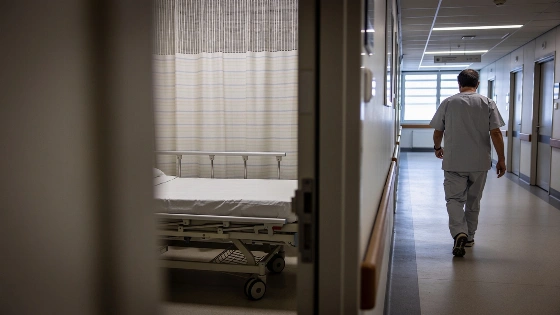
On 6 October, a 61-year-old man died at Hospital de Donostia after more than a month in hospital. Whether mpox directly caused his death remains unresolved. He had been receiving treatment for throat cancer and was immunosuppressed. The Basque Department of Health said a direct causal link cannot be confirmed, although the likelihood is considered high. Doctors stressed that he died “with mpox”, not necessarily “from mpox”.
More than 30 people linked to the hospital room have been vaccinated and placed under follow-up. The group includes healthcare workers and people from the patients’ circles who were considered at risk. The deceased man was reportedly vaccinated as well.
Osakidetza tracked about 50 potential contacts in connection with the hospital exposure, a wider group than the roughly 30 people who received vaccination.
The suspected transmission route remains uncertain.
The man entered the hospital on 1 September because of a throat tumour. After surgery, he suffered bleeding that required two further operations. His family said his recovery initially appeared positive. He had started rehabilitation in the hospital gym and was expected to begin speech therapy in October. His serious underlying illness and severely weakened condition were important factors in assessing the possible consequences of the infection.
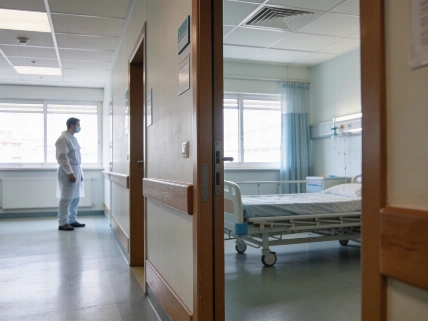
The possible exposure occurred after he shared a room for less than a week with another patient identified as the index case. That patient had also been admitted because of a throat complication. Hospital sources said he initially had no characteristic skin lesions associated with monkeypox, although he did have an infectious condition.
Miguel Ángel Goenaga, head of infectious diseases at Hospital de Donostia, said mpox generally has low mortality, but its consequences can be substantially more serious in people with major underlying illnesses and severely reduced immunity.
According to the family, masks began appearing among staff after several days of ordinary contact between the two patients. Staff later told the family that the roommate had tested positive during a routine examination and had been discharged to isolate at home. The hospital then identified people who might have been exposed and activated the required measures. Osakidetza followed about 50 potential contacts, including medical workers and people from the patients’ circles. Authorities consider new linked cases very unlikely after the preventive measures.
After the patients were separated, the 61-year-old developed further bleeding or an infection linked to the throat operation. Two or three days after severe headaches began, spots appeared on his forehead. Lesions were also observed on his palms. An infectious diseases doctor and an internist assessed him before he was isolated in the infectious diseases unit.
Doctors later returned him to the other ward because treatment of the throat problem was considered more urgent. His condition then worsened, and he was transferred to intensive care. Family members said he did not recover despite antibiotics. He also received antiviral medication and morphine.
Miguel Ángel Goenaga, head of infectious diseases at Hospital de Donostia, did not identify a precise transmission mechanism when speaking to the media. He said infection generally requires close contact and that hospital transmission is uncommon. Possible explanations included contact between the patients at night. The exchange of an object was another possibility.
Other routes were considered less important in this setting. One involved prolonged face-to-face contact through respiratory secretions. Another involved direct contact with contaminated objects. Transmission from a pregnant mother to a fetus through the placenta was also considered less important.
The case arrives as infections rise again in Euskadi. The region recorded 245 cases in 2022, followed by one diagnosis in 2023 and 12 in 2024. Six people were diagnosed in 2025. The first nine months of 2026 produced 35 cases, including eight in Gipuzkoa. Figures reported by Euskadi’s health authorities show a marked increase in detection during 2026, although the available reports do not explain its cause. Two other people have died from monkeypox in Spain this year.
Monkeypox is caused by the monkeypox virus and usually spreads through close physical contact rather than brief exposure in a shared space. Common symptoms include fever and headache. Muscle pain and back pain are also reported. Other symptoms include swollen lymph nodes, chills and exhaustion. A rash can spread from the face to other parts of the body. The illness generally lasts two to four weeks, and most patients recover.
The family account reconstructs a complicated hospital course but does not establish that monkeypox was the direct cause of death. The patient had a serious cancer diagnosis and underwent repeated surgery before the infection was identified. The Basque Department of Health and the official Osakidetza account have therefore kept the cause of death under assessment, while independent reports confirm the suspected hospital infection without establishing the exact transmission mechanism. The case is distinct from the earlier Madrid investigation covered in a separate report. Euskadi has recorded its first death involving monkeypox, while the infection’s exact role remains unproven.