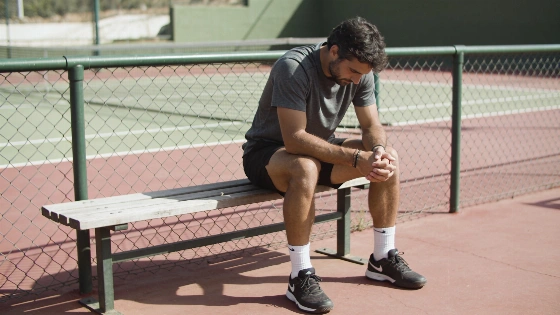
Nick Kyrgios has been provisionally suspended after a positive cocaine test during the Mallorca Open. The International Tennis Integrity Agency confirmed the ban. Kyrgios admitted fault and will not compete pending a tribunal decision.
Nick Kyrgios has been provisionally suspended from professional tennis after testing positive for cocaine during the Mallorca Open, a move that immediately sidelines the Australian from all major tournaments. The International Tennis Integrity Agency (ITIA) confirmed that Kyrgios submitted a sample on 22 June, which later revealed the presence of benzoylecgonine, a metabolite of cocaine. The suspension, effective since 4 August, prevents him from playing, coaching, or even attending any Grand Slam or ATP and WTA-sanctioned events until a tribunal reviews his case.
The ITIA stated that Kyrgios has the right to appeal the provisional suspension, but as of now, he has not initiated any appeal process. In a public statement on Instagram, Kyrgios acknowledged his mistake, taking full responsibility for the incident and expressing regret to his supporters, family, sponsors, and especially to young fans who look up to him. He also announced a 28-day break from social media and public appearances to focus on his personal recovery.
Kyrgios, who has struggled with knee and wrist injuries in recent years, has played only four singles matches this season. His last appearance was in the men's doubles at Wimbledon, where he and Alexander Bublik exited in the first round. The 31-year-old admitted that ongoing injuries have taken a significant toll on his mental and physical health, making it difficult to meet his own expectations on the court. He described coming to terms with the possible end of his career as unexpectedly challenging, but emphasized that these struggles do not excuse his actions.
Cocaine is classified as a stimulant and substance of abuse by the World Anti-Doping Agency. While reduced sanctions may apply for out-of-competition use, Kyrgios' positive test occurred during an official tournament, where he lost in the first round to Adam Walton. Under current rules, the consequences for in-competition violations are typically more severe, and the final outcome will depend on the tribunal's decision.
Kyrgios has long been a controversial figure in tennis, known for his on-court outbursts, frequent fines for unsportsmanlike conduct, and public disputes with officials. In 2023, he admitted to assaulting a former girlfriend, though he avoided a criminal conviction. His social media activity has also drawn criticism, including sharing content from controversial figures and making remarks considered misogynistic. Recently, he publicly criticized the handling of anti-doping cases involving top players Jannik Sinner and Iga Swiatek, calling the process "disgusting" for the sport.
Despite his off-court controversies, Kyrgios has achieved notable success, winning seven ATP Tour singles titles and reaching the Wimbledon final in 2022, where he lost to Novak Djokovic. He also claimed the Australian Open men's doubles title in 2022 alongside Thanasi Kokkinakis. Kyrgios has spoken openly about his mental health challenges, revealing that he contemplated suicide and spent time in a psychiatric hospital after a Wimbledon defeat in 2019.
For context, anti-doping regulations in tennis are strictly enforced, with in-competition violations often resulting in provisional suspensions pending a full investigation. The ITIA oversees integrity issues in the sport, including doping, match-fixing, and other breaches. Kyrgios' case highlights the ongoing challenges faced by athletes dealing with both personal and professional pressures, as well as the strict standards applied to maintain fairness in international tennis. The outcome of the tribunal will determine the length and terms of any further sanctions.