The Osborne Bull, first erected in 1956 to advertise brandy, marks its 70th anniversary in 2026. Its journey from roadside ad to cultural icon includes a rare collaboration with Suzuki, resulting in the Vitara Toro edition sold only in Spain.
In 2026, the Osborne Bull reaches its 70th year, a milestone for a figure that began as a simple roadside advertisement and ended up woven into Spain’s cultural landscape. The story started in 1956, when Osborne commissioned the Azor agency to create a striking image to promote its Veterano brandy. Graphic designer Manolo Prieto delivered a bold silhouette of a fighting bull, which soon appeared on wooden billboards along Spanish highways.
The first of these bulls was installed in 1957 near Cabanillas de la Sierra on the Madrid-Burgos road. Standing four meters tall and made of wood, the early versions quickly suffered from weather damage, prompting a switch to metal in 1961. The design evolved: white horns and explicit brandy references were dropped, leaving only the black bull’s outline.
From Advertisement to Icon
Over the decades, the Osborne Bull multiplied, with more than 500 scattered across Spain at its peak. Their presence along the roads made them a familiar sight for generations of drivers, gradually transforming the bull from a commercial sign into a symbol of Spanish identity. In 1988, new road laws banned advertising visible from highways. Osborne responded by removing all brand references, but the bulls themselves remained. Courts later recognized their cultural and artistic value, allowing them to stay despite their origins as advertisements.
Today, the Osborne Bull is more than a relic of marketing—it’s a part of the Spanish landscape. However, only 92 of these figures survive, a sharp decline from their heyday. Their endurance reflects both changing regulations and the shifting meaning of public symbols in Spain.
The Suzuki Vitara Toro Collaboration
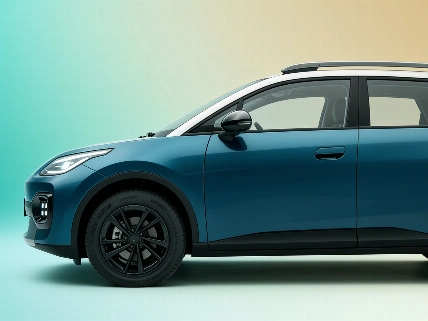
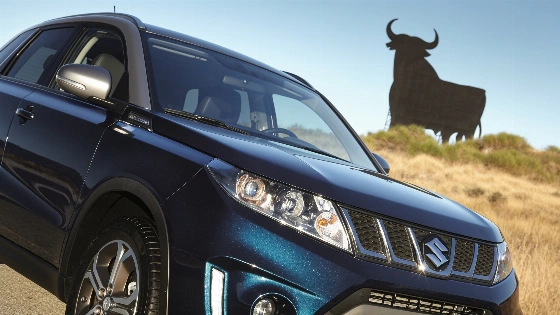
The bull’s influence has extended beyond billboards. In late 2017, Suzuki partnered with Osborne to launch the Suzuki Vitara Toro, a special edition SUV sold exclusively in Spain until 2019. This collaboration brought Osborne’s iconic bull into the automotive world, with distinctive branding on both the exterior and interior of the vehicle.
The Vitara Toro stood out with copper-finished 17-inch alloy wheels, a chrome grille with five slots, LED headlights, and metallic paint. Inside, buyers found a 7-inch touchscreen infotainment system with Apple CarPlay, navigation, a rearview camera, and a panoramic sunroof as standard features. Mechanically, the model offered a choice between a 1.6 VVT petrol engine and a 1.6 DDiS diesel, both producing 120 horsepower. The diesel variant could be equipped with Suzuki’s Allgrip 4WD system, offering four selectable driving modes.
Juan López Frade, who had just taken over as president of Suzuki Ibérica, described the partnership as a way to reinforce Suzuki’s brand values with the support of a Spanish icon. The Vitara Toro was a rare example of a car edition tailored specifically for the Spanish market, blending automotive design with national symbolism.
Special editions like the Vitara Toro are not unique to Suzuki. Other manufacturers have also created high-performance or limited-run models to capture the imagination of car enthusiasts, such as Ford’s recent launch of its most powerful Mustang convertible, the Dark Horse SC, which you can read about in this feature on Ford’s 806-horsepower convertible.
Legacy and Context
The Osborne Bull’s journey from a brandy advertisement to a protected cultural symbol highlights the unpredictable ways in which commercial imagery can become part of a nation’s identity. Its collaboration with Suzuki is just one chapter in a story that continues to evolve, reflecting both Spain’s traditions and its openness to reinvention. The bull’s silhouette remains instantly recognizable, a reminder of how a simple design can outlast its original purpose and become a lasting emblem of a country.