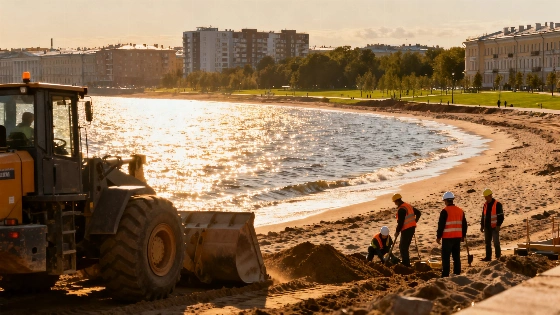
Rebollo Beach in Elche stands out as one of the few places on the Costa Blanca where visitors can enjoy the Mediterranean without the crowds. Its natural dunes, calm waters, and essential amenities make it a haven for those seeking peace by the sea.
On a coastline where summer often means packed beaches and relentless noise, Rebollo Beach in Elche offers a rare alternative. Tucked between La Marina and the mouth of the Segura River, this stretch of golden sand remains largely shielded from the mass tourism that defines much of the Costa Blanca.
Unlike the heavily developed resorts nearby, Rebollo Beach—also known as Les Pesqueres-El Rebollo—retains a distinctly natural character. Its landscape is shaped by rolling dunes, pine groves, and a wide, open shoreline. According to VisitElche, the area is classified as semi-natural, with minimal human intervention, and is recognized within the Natura 2000 network as a Site of Community Interest for its environmental value.
Nature and Space
What sets Rebollo apart is its sense of space. Stretching for 1,360 meters, the beach rarely feels crowded, even at the height of the tourist season. The sand is fine and golden, and on clear days, the water takes on striking turquoise hues. The proximity to the Santa Pola Salt Flats Natural Park adds to the appeal, with its mix of salt marshes, dunes, and cultivated land—home to flamingos and other wildlife.
The Valencian Community describes Rebollo as a nearly wild, virgin beach. This reputation draws families, couples, and solo visitors who want to disconnect without sacrificing comfort. Even during peak periods, it’s possible to find a quiet spot, a quality that is increasingly rare along the Mediterranean coast.
Comfort Without Crowds
Despite its wild appearance, Rebollo Beach is not isolated from basic services. In season, lifeguards are on duty, the beach is marked for safe swimming, and visitors have access to public toilets, a kiosk, sunbeds, and umbrellas. There’s also parking, foot showers, a restaurant, a nearby campsite, walkways, and areas for windsurfing, according to local tourism information.
This balance between nature and convenience has helped Rebollo maintain its Blue Flag status for 2026, a distinction that recognizes water quality, environmental management, and safety. For many, it’s an ideal compromise: the tranquility of a natural setting with the reassurance of essential amenities.
Getting There and Preserving the Beach
Access to Rebollo Beach is more discreet than to Alicante’s better-known spots, but it’s straightforward. Spain.info notes that the beach can be reached easily on foot or by car, with the N-332 highway nearby. The lower profile helps preserve its unique atmosphere, where the landscape takes precedence over concrete and crowds.
Visitors are encouraged to use the designated walkways, respect the dune vegetation, and keep the area clean. The continued beauty of Rebollo depends on careful stewardship by everyone who enjoys its calm.
For those interested in exploring more of the region’s quieter escapes, the area is also home to family-friendly resorts that blend nature and recreation, such as the camping complex featured in this overview of Alannia Costa Blanca.
As development continues to reshape much of the Mediterranean coast, places like Rebollo Beach stand out as reminders of what the Costa Blanca once was—and what it can still offer to those willing to look beyond the obvious.