Covid and flu are driving more people to Galicia's health services. Primary care access varies sharply between centres, while hospital emergency departments are dealing with another rise in patients.
Galicia's health services are dealing with a fresh rise in demand as covid and flu spread through primary care centres, PACs and hospital emergency departments. The increase is not yet described as exceptional. It is arriving on top of already crowded appointment lists. Doctors say staffing levels leave little room for a sudden jump in consultations.
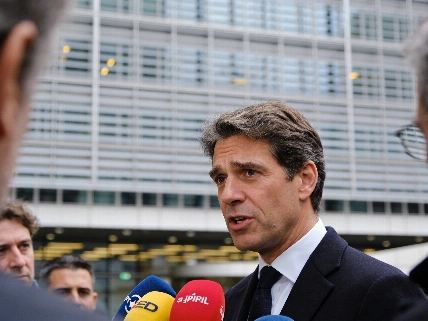
Hospital emergency departments are coming under pressure after a difficult summer, not a quiet one. José Manuel Fandiño, president of Semes Galicia and coordinator of the service at Chuac, says hospitals have spent at least two weeks seeing more patients with influenza A and covid than in previous years. Activity at the A Coruña hospital rose by 6% in August. At Cunqueiro, it rose by 11%.
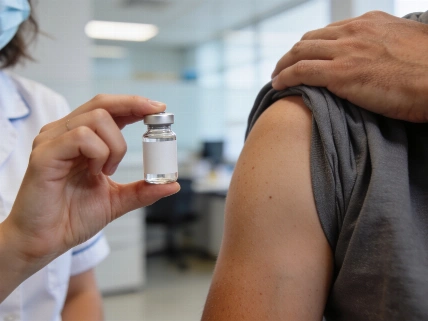
Galicia’s respiratory-virus vaccination timetable includes covid and flu immunisation from 28 September 2026, vaccination against RSV for infants from 21 September, and school-based flu vaccination for children from 13 October.
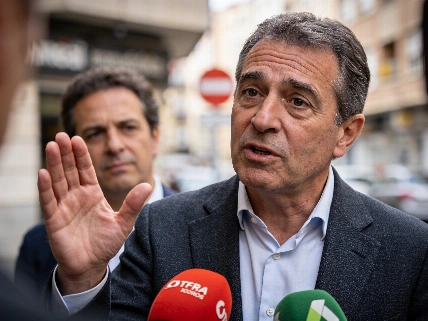
Fandiño says the staffing problem is becoming more urgent. He argues that contracts in hospital emergency services must become more attractive or the system will face a serious problem. His estimate is that Galicia will need 129 doctors in four years to cover retirements and structural posts.
Patients often feel the pressure before they reach hospital. Consultations for viral infections cannot simply be delayed, so family doctors have fewer appointments for other needs. Access differs sharply between health centres. Some offer appointments within two days. Others show no openings in the online application.
Queues were visible at Monforte after the application showed that no appointments were available. Similar problems were reported for some patient lists in O Milladoiro in Ames and at Calle Cuba in Vigo. The Valle Inclán centre in Ourense and A Valenzá in Barbadás had appointments on the same day or the next.
Regional figures for 13 September showed consultations for acute respiratory infections up almost 7% in one week, reaching 112 cases per 100,000 inhabitants. The increase was uneven: covid consultations rose by 59.3%, while flu consultations fell by 11%.
Pontevedra had waiting times of no more than five working days in the lists checked. Ferrol showed a wider gap. Some lists at Fontenla Maristany had no availability until 7 October, while others offered appointments from 28 September. The contrast matters because the same viral pressure is producing very different access times across Galicia.
Staff in Lugo describe respiratory cases as the main reason for visits to primary care emergency services. Covid is particularly common, and flu is beginning to appear. In Lugo, consultations for flu rose from 2.8 to 10.2 per 100,000 inhabitants in one week. Covid consultations rose from 2.5 to 6.8.
In Ourense, doctors say many patients with active covid arrive with fever after testing positive and need medical certification for sick leave. PAC staff in Pontevedra also report substantial covid and flu activity, even though the season is still at an early stage.
The return to school is increasing circulation among children and adults, according to professionals in A Mariña. They report more viral illness in paediatric and adult consultations, but do not describe the rise as especially striking. Respiratory symptoms are generally not severe. Data reported in Santiago put overall respiratory-virus positivity in Galicia at 14.4%. Flu activity remained at a baseline level and was declining.
Unlike the possible mass-arrival warning described in the Ceuta report, this pressure is spreading through routine medical appointments and emergency queues rather than through one concentrated event.
The Consellería de Sanidade says patients who need care are receiving it in the appropriate way and within the appropriate time. Its figures show that 1,174 of Galicia's 1,906 family-doctor lists have appointments available this week within four days. That equals 62% of the total.
Vigo has the weakest result among the areas cited, with 165 lists offering appointments within four days. The figure was 231 in Ourense and 230 in A Coruña and Cee.
The Xunta's vaccination campaign puts particular emphasis on people aged 65 and over. It also expands school-based vaccination for children. The schedule shows that authorities are preparing for the seasonal rise in respiratory infections while pressure is already visible in primary care and urgent services.
Faro de Vigo also reported more pressure on urgent services after the summer and during the return to school. Its reporting from Pontevedra pointed to higher sales of covid and flu tests. The European Centre for Disease Prevention and Control included respiratory-virus surveillance in its report covering 12 to 18 September 2026. Galicia's developments therefore form part of the broader autumn respiratory season across the EU and European Economic Area.
Those figures do not erase the uneven experience at local level. Many centres can still provide access, but they have little spare capacity when demand rises quickly. Respiratory viruses, fixed staffing shortages and appointment lists that rarely ease are putting Galicia's health service under practical strain.
The immediate issue is not a dramatic collapse. It is how quickly ordinary access worsens when a seasonal increase meets permanently narrow margins.