Pedro Sánchez has defended his government's alignment with Morocco during the Ceuta migrant crisis, insisting most arrivals must be returned there. With mounting criticism from political rivals and coalition partners, Sánchez sets a year-end target for restoring order in the city.
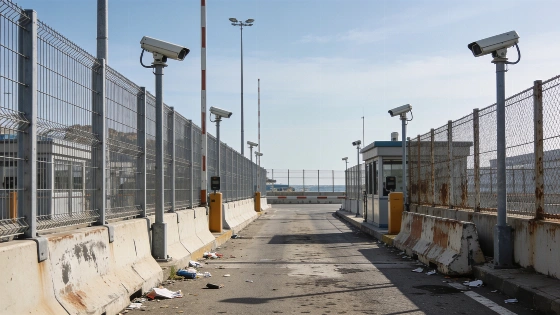
Pedro Sánchez has taken a position that few in Spanish politics are willing to support. During the Ceuta migrant crisis, the Prime Minister openly backed Morocco, calling it the only realistic partner for returning most of the migrants who crossed into the Spanish enclave.
This approach has left Sánchez without much support. Neither the opposition nor his coalition partners have endorsed his strategy, and recent polls show little public approval. The government’s decision not to challenge Morocco over reports that Moroccan border guards stood by during the mass entry has drawn more criticism. Sánchez argued, “From a pragmatic point of view, we need to build a positive relationship to solve this problem and prevent it from happening again.”
According to Reuters, Spanish intelligence warned both Madrid and Rabat of plans for a mass crossing into Ceuta just one day before over 70,000 people entered the enclave.
— Reuters
In a televised interview on La Sexta, Sánchez also criticized Spain’s intelligence agency, the CNI, for not escalating warnings about the situation in Ceuta. He made it clear that internal communication failures have made an already tense situation harder to manage.
Opposition parties, especially PP and Vox, have questioned Sánchez’s motives. They point to the Pegasus spyware scandal, which compromised Sánchez and several ministers, and suggest Morocco may have sensitive information about the Prime Minister. The European Parliament’s investigation named Morocco as a “possible” perpetrator, but Sánchez dismissed these claims as fiction, saying, “Reality is built on facts, not rumors.”
Meanwhile, the government has set a deadline: it expects Ceuta’s situation to stabilize by the end of the year. Minister Ángel Víctor Torres is overseeing the response, with emergency accommodation for migrants expanding to 6,000 places this week and a target of 10,000 if needed. Officials have declined to say how many migrants remain in Ceuta, arguing that it is impossible to give an exact number. Sánchez claims that “nine out of ten” who entered have already left, but the lack of clear data has led to more skepticism.
The European Commission has allocated €114.7 million in emergency funding to Spain to help manage the migration pressure in Ceuta, highlighting the crisis as a test for the EU's border management and crisis response policies.
— European Commission
The official line from La Moncloa is caution. The government says that without “solid evidence,” provoking a major conflict with Morocco would be reckless. Critics, however, see this as too deferential and lacking in accountability. The crisis has exposed weaknesses in Spain’s border management and shown the limits of its diplomatic influence with Rabat.
As political debate continues, the Ceuta crisis has become a test of leadership and trust. The government’s handling of sensitive information and its choice to prioritize diplomatic ties over public opinion have come under close scrutiny. In a divided political climate, Sánchez’s bet on cooperation with Morocco may bring short-term calm, but it risks deepening mistrust at home. The situation echoes the unresolved tensions seen in other Spanish cities, as reported earlier in Bilbao’s recent leadership transition. In the end, Sánchez’s strategy favors pragmatism over confrontation, but it may come at the cost of public confidence in the government’s crisis management.