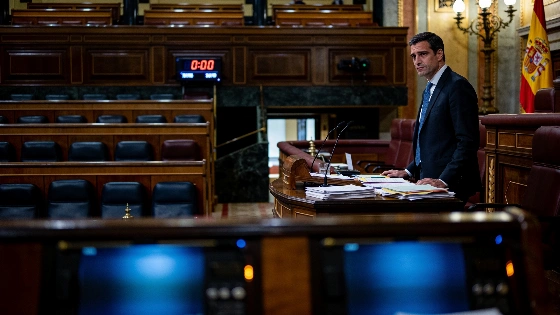
Pedro Sánchez is struggling to secure support for new laws as coalition partners distance themselves. The government aims to pass urgent decrees and the 2027 budget, but instability is rising ahead of possible early elections.
Pedro Sánchez is confronting a critical phase in the Spanish legislature as support from key coalition partners continues to erode. The latest session in Congress highlighted the president’s increasing isolation, with former allies such as Junts and Podemos now openly distancing themselves and, in some cases, demanding early elections or Sánchez’s resignation. Despite this, the government insists it can still push through several laws and decrees in the coming months, even as the prospect of a stable majority appears increasingly remote.
Unlike a year ago, when Sánchez managed to rally his coalition with a package of anti-corruption measures following the Cerdán scandal, the current political landscape is far less forgiving. The breakdown in relations with Junts, growing friction with Podemos, and sporadic tensions with the PNV have left the government’s majority fragile and, at times, non-existent. This week, Sánchez refrained from announcing new initiatives, acknowledging both the lack of parliamentary support and the limited time left before elections loom on the horizon.
Government sources admit that many partners are now preparing for the possibility of snap elections, which has led to a visible cooling of relations. However, officials argue that when it comes to crucial votes, the executive still manages to secure enough backing to pass most of its proposals. The upcoming plenary session will test this claim, with votes scheduled on a range of measures, including the “bono verano joven” transport discounts, a law banning conversion therapy, and the transfer of the AP9 highway to Galicia.
While the government points to a dozen laws passed this year, major reforms—such as those targeting the justice system, anti-corruption, and housing protections—remain stalled, largely due to Junts’ refusal to support them. Plans are underway for another session in July to extend emergency measures related to the aftermath of the Iran war, though the new package is expected to be less extensive as the situation stabilizes and some €5 billion in current aid is phased out. Negotiations with coalition partners are ongoing, with the government viewing each successful vote as evidence that the legislature is not yet finished.
The centerpiece of Sánchez’s strategy for the remainder of the term is the 2027 budget. Yet, with Junts demanding Sánchez step aside and Podemos calling for elections, the likelihood of passing a budget that has eluded the government all term appears slim. Nevertheless, officials plan to stretch the process as long as possible, using the budget debate to give political substance to the final months and to present the coalition’s vision for Spain. If the budget fails, as expected, this could provide the formal pretext for calling elections in early 2027 or spring, though Sánchez has not ruled out extending the legislature until summer, which is legally possible given the last elections were held in July 2023.
The current standoff marks the start of what many see as a prolonged election campaign, even as the government tries to project normalcy and maximize legislative output. The PNV has made its position clear: present the budget, and if it fails, call elections. This stance now appears to set the path toward the decisive political contest of 2027.
For context, Spain’s coalition governments often rely on complex agreements with regional and ideological partners, making legislative stability challenging. The “bono verano joven” is a seasonal transport subsidy aimed at young people, while the AP9 transfer is a long-standing demand in Galicia. The failure to pass a budget typically triggers early elections, as it signals a loss of parliamentary confidence. The current legislature’s instability reflects broader trends in Spanish politics, where shifting alliances and regional interests frequently shape national outcomes.