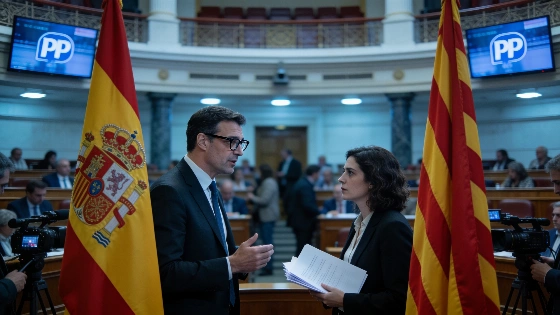
The Senate has seen a surge in investigations and legislative clashes. The Partido Popular uses its majority to push probes and laws, while government initiatives stall. Tensions rise as political control shifts.
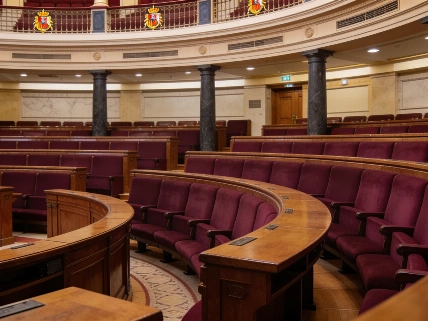
The Spanish Senate has entered one of its most turbulent periods in recent memory, with the Partido Popular (PP) leveraging its absolute majority to reshape the chamber’s agenda and intensify scrutiny of the coalition government. This shift has resulted in a record number of investigative commissions, a series of high-profile confrontations, and a legislative deadlock that has left dozens of PP-backed laws in limbo.
Since the start of the current legislature, the Senate has become a focal point for political conflict. The PP, led by Alberto Núñez Feijóo, has used its dominance to launch seven investigative commissions—more than in any previous term. These probes have targeted issues ranging from alleged corruption in pandemic-era procurement to the management of public broadcasters and the handling of major disasters. The most notable moment came when Prime Minister Pedro Sánchez was summoned to testify before a Senate commission, an unprecedented event that drew national attention and symbolized the chamber’s new assertiveness.
The PP’s control extends beyond investigations. The party has also changed Senate rules to tighten time limits for ministers and create new pathways for challenging legislative blockages in the lower house. Despite these moves, Sánchez has not attended a regular Senate control session since March 2024, sidestepping a rule that would require his monthly presence. The only exception was his appearance before the commission investigating the so-called Koldo case, where constitutional obligations forced his participation.
Legislative activity has also been transformed. The PP has pushed through 41 bills in the Senate, collectively dubbed the ‘leyes Feijóo’. These include measures targeting public tributes to former ETA members, the protection of official symbols, and changes to how utilities can be cut off in cases involving squatters. However, all these initiatives have stalled in the Congress, where the Socialist Party and Sumar control the agenda and have declined to advance the PP’s proposals. This legislative standoff has become a defining feature of the current political landscape.
Beyond the legislative and investigative battles, the Senate has witnessed a series of unusual and controversial incidents. Cameras captured PP spokesperson Javier Arenas vaping during a plenary session, while other sessions have seen heated exchanges and disciplinary warnings from Senate president Pedro Rollán. The chamber’s heightened profile has brought increased media scrutiny and a sense among staff and senators alike that the Senate has never experienced such sustained tension or public attention.
According to the original report, the current situation is not entirely without precedent. A similar split in political control occurred briefly in 2018, when Sánchez first became prime minister while the PP held a Senate majority. However, that period was short-lived, whereas the current standoff has persisted and intensified, especially as judicial investigations involving the PSOE have advanced.
For context, the Spanish Senate is traditionally seen as a chamber of second reading, with limited power compared to the Congress. Its main tools are investigative commissions and the ability to propose legislation, but the final say on most laws rests with the lower house. The current dynamic, with the Senate acting as a platform for opposition initiatives and high-profile inquiries, highlights the evolving balance of power in Spanish politics. The outcome of ongoing investigations and the fate of the stalled ‘leyes Feijóo’ may shape the political climate in the months ahead.