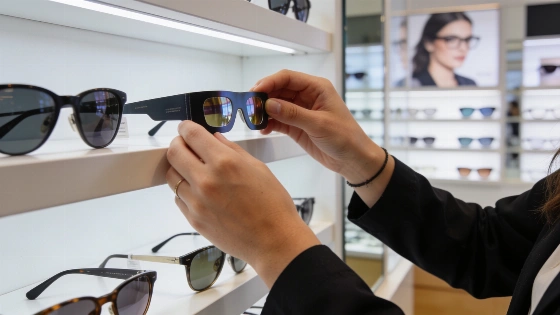
Six models of eclipse glasses from major brands have been withdrawn across Spain after safety alerts in five regions. The filters are so dark that users may remove them while looking at the Sun, risking serious eye damage. Authorities urge consumers to check their glasses before the 2026 eclipse.
Six models of eclipse glasses have been urgently withdrawn from sale in Spain just days before the highly anticipated solar eclipse on August 12, 2026. The decision follows coordinated safety alerts issued by five autonomous communities, targeting products from Lionstar, ECP Eye Care Proffesional, Pelispan, Homanage, Orro, and Opticalia.
The core issue is not that these glasses let in too much light, but rather that their filters are excessively dark. According to the official alerts, this can prompt users to lift or remove the glasses while still facing the Sun, exposing their eyes to dangerous levels of visible, infrared, and ultraviolet radiation. Such exposure, even for a brief moment, can cause chemical or thermal injury to the retina.
Brands and Models Affected
The Ministry of Social Rights, Consumer Affairs and Agenda 2030 has listed the affected products in the national alert network. Measures vary by region and product, ranging from outright sales bans and market withdrawals to immobilization of stock and recovery of units already sold. The six products flagged are:
- Pelispan (no model specified) – Galicia: withdrawal and consumer recall
- Homanage QW-50Z1 – Galicia: inclusion in alert network
- Orro O37-R, batch 2603-01, manufactured 2026-03 – La Rioja: ban and withdrawal
- Opticalia GP0247 – Aragón: immobilization and withdrawal
- ECP Eye Care Proffesional (no model specified) – Castilla y León: withdrawal and ban
- Lionstar LSP1 – Madrid: ban and immobilization
Consumers are advised to check not only the brand but also the model, reference, batch, and manufacturing date. Not all products from these brands are necessarily unsafe, but the listed items have failed to meet safety standards. In some cases, such as ECP and Pelispan, the public summaries do not specify a model, making careful identification essential.
Why Overly Dark Filters Are Dangerous
Unlike glasses that let in too much light, these models have filters with a transmittance below the minimum required. This makes them appear almost opaque. Faced with such darkness, users may instinctively remove or adjust the glasses to locate the Sun, precisely when their eyes are most vulnerable. The risk is not from the filter itself, but from the predictable reaction of removing it while still looking at the Sun.
According to the Ministry of Consumer Affairs, most eclipse glasses on the market comply with safety standards, especially regarding ultraviolet and infrared protection. However, some products block more light than recommended, creating a false sense of security that can lead to dangerous behavior.
What to Do If You Own These Glasses
Anyone who recognizes one of the affected products should stop using it immediately and avoid giving it to others. Do not test the glasses by looking directly at the Sun. To arrange a return or get more information, follow these steps:
- Check the brand, model, reference, batch, and manufacturing date.
- Keep the glasses, packaging, instructions, and proof of purchase.
- Photograph identifying details before contacting the seller.
- Ask the retailer or distributor for instructions related to the alert.
- Regularly consult the official RAPNA alert network for updates.
European product safety regulations require companies to offer at least two options among repair, replacement, or refund, unless one is impossible or disproportionate. For those seeking safe alternatives, free certified eclipse glasses will be distributed at hundreds of observation points across Spain. If you experience any visual changes after direct Sun exposure, health authorities recommend immediate evaluation by an ophthalmologist.
How to Check Eclipse Glasses Before Use
Safe eclipse glasses are classified as category II personal protective equipment. They must comply with ISO 12312-2:2015, display a genuine CE mark, and include European conformity documentation. The manufacturer should be clearly identified, and instructions must be provided in Spanish. Do not use glasses with scratches, holes, cracks, or detached filters, or if they are past their recommended lifespan.
Ordinary sunglasses, X-ray film, smoked glass, homemade filters, or combining eclipse glasses with cameras or telescopes (unless the instrument itself has a certified solar filter) do not provide adequate protection. The National Geographic Institute advises keeping eclipse viewing sessions brief—no more than one minute at a time—and only removing protection during the brief phase of totality, and only if you are within the path of total eclipse.
For the latest updates, consumers can consult the official alert network and the Ministry of Consumer Affairs’ recommendations. As Spain prepares for the 2026 eclipse, authorities stress that proper eye protection is essential for safe viewing.