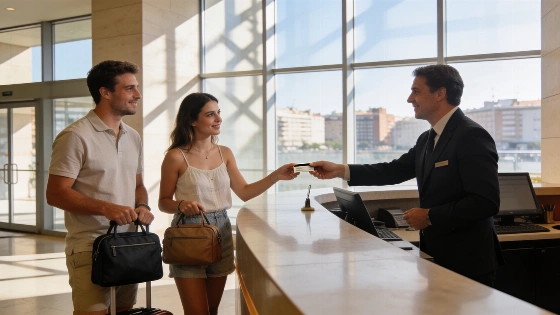
Hotel occupancy in Zaragoza reached 69% in August, with the solar eclipse on the 12th credited for a noticeable increase. The city outperformed last summer’s numbers, and local hoteliers point to the eclipse as the main reason.
A solar eclipse on August 12 gave Zaragoza’s hotel sector a clear boost, raising occupancy rates to 69% for the month. This is four points higher than the same period last year, a difference that local industry leaders link directly to the eclipse. According to Heraldo, official booking data confirms the 69% figure, which stands out compared to last August and highlights the eclipse’s effect on local tourism.
Antonio Presencio, president of Horeca Hoteles in Zaragoza, said the eclipse was the main reason for the city’s August hotel bookings rising by about 2%. In a business where small changes matter, this increase is significant for the summer season. Presencio’s comments, reported by Heraldo, are considered the most direct industry statement connecting the eclipse to the higher occupancy.
In August 2026, nearly half of Zaragoza’s visitors during the holiday period were international tourists, with the eclipse driving a mid-month surge in bookings.
August is usually a busy month for Zaragoza hotels, but this year’s numbers broke the usual pattern. Nearly seven out of every ten rooms were filled, a result that stands out even among Spain’s larger cities. The eclipse, which happened in the middle of the month, led to a spike in reservations that hoteliers had not expected at the start of the season. Heraldo notes that the effect was strongest in the days around August 12, when bookings picked up sharply.
Booking data supports Presencio’s view: the eclipse alone accounted for a large part of the month’s gains. The event brought visitors from the region and abroad, many of whom stayed longer to enjoy Zaragoza’s summer events and atmosphere. This led to higher occupancy and more business for local hotels and related businesses. There have been no recent reports disputing the 69% figure, and all main sources agree that the eclipse was a key reason for the increased demand.
It’s not the first time a single event has had such an effect on tourism in Spain. As seen in other cases, outside factors—from political decisions to unique events—can quickly change local market trends. In Zaragoza’s case, the eclipse brought together a rare natural event and a business opportunity.
In other parts of Catalonia, such as Lleida, hotels, rural accommodations, and campsites reached 90–95% occupancy in the first half of August 2026, reflecting a broader surge in demand linked to the solar eclipse and the peak summer season.
Spain’s hotel industry has seen ups and downs in recent years, with local events and international travel trends shaping occupancy rates. Zaragoza’s response to the eclipse shows both the city’s appeal and the flexibility of its hospitality sector. The four-point year-on-year increase is more than a statistical detail; it shows that targeted events can bring real results, especially when local businesses are ready to act.
What stands out is how quickly Zaragoza’s hoteliers recognized and used the eclipse as a way to attract guests. Instead of relying only on regular summer traffic, they benefited from a specific event that brought in new visitors and filled rooms that might have stayed empty. In Spain’s competitive tourism market, turning short-lived opportunities into real gains can make a difference. For other cities, the lesson is simple: when a rare chance comes along, being prepared and acting fast matters.