Spanish drivers will soon notice a new detail on the roads: license plates beginning with the letter P. The DGT has confirmed the current N-series is nearly finished, with the P-series expected to appear by early 2027—a rare update in Spain’s vehicle registration system.
In the next year and a half, Spanish roads will see something not spotted in decades: car license plates starting with the letter P. The Dirección General de Tráfico (DGT) says the current N-series is almost used up, and the P-series should arrive between late 2026 and early 2027. For anyone who pays attention to license plates, it’s a clear sign of how quickly Spain’s car fleet is growing.
Each three-letter combination in Spain’s registration system lasts about three to four months, depending on how many new cars are sold. The N-series, which has been in use recently, is now down to its last combinations. The O-series will be skipped entirely. The DGT made this choice to avoid confusion with the number zero and to keep things clear for police and the public.
Формат испанских автомобильных номеров остаётся национальным и не содержит провинциальных кодов, что обеспечивает единообразие по всей стране.
Spain’s license plate rules are shaped by both practical and cultural reasons. Some letters, like Ñ and Q, are left out because they look too much like N and O. The DGT also blocks any combinations that could spell out offensive words or refer to criminal or political groups. That’s why you won’t see plates with “PUT,” “CUL,” or “KAK,” and names like “EVA” or “ANA” are also kept off the list.
For more than a hundred years, Spanish plates have changed from showing a car’s province to today’s national system. The first car registered in Spain was in 1900, in the Balearic Islands. Now, with more cars on the road than ever, the DGT updates the series almost daily. As of June 2026, the latest plates use the MSD combination.
New cars registered in September will get plates from NSD to NSN, with each mini-series lasting only a few days before the next set appears. This quick turnover is a direct result of Spain’s strong car market, which has bounced back in recent years. As the N-series ends, the switch to P will be the most noticeable change for drivers since the last big update to the system.
Независимые справочные материалы подтверждают, что расход буквенных комбинаций в испанских номерах идёт быстро, а DGT регулярно публикует официальные данные о смене серий и контролирует присвоение регистрационных форматов.
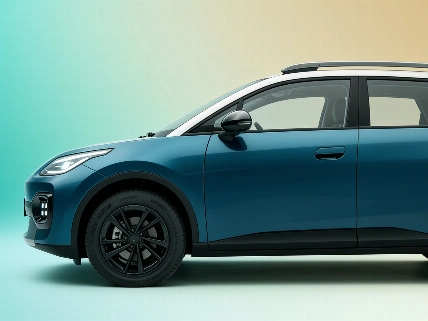
For those who follow changes in European vehicles, Spain’s new registration series fits into a wider pattern. As reported earlier, carmakers are also shifting focus, dropping some models to prioritize electric vehicles and meet new regulations.
According to Google/SpainAuto, the DGT’s careful management of plate combinations isn’t just about avoiding awkward words or confusion. These details affect daily life, from insurance paperwork to buying and selling used cars. For buyers, the plate’s letters give a quick clue to a car’s age. For authorities, they help keep order and track vehicles.
Spain’s decision to skip certain letters and combinations is a practical answer to language quirks and social realities. The upcoming P-series is more than a technical change—it’s a sign of a country adapting to a growing car market while keeping the system clear and consistent. The DGT’s approach is methodical, and the result is something every driver will see: a new chapter for Spanish license plates, one letter at a time.