Motorhome owners in Spain now face stricter ITV inspection schedules and fines up to €500 for non-compliance. The DGT’s new measures respond to a 185% surge in caravans since 2015, reshaping travel and parking rules nationwide.
Motorhome and campervan owners in Spain are facing a tougher set of rules. The Directorate-General for Traffic (DGT) has introduced stricter technical inspections and higher penalties, with fines up to €500 for those who don’t comply. For many, the days of relaxed caravan travel are over.
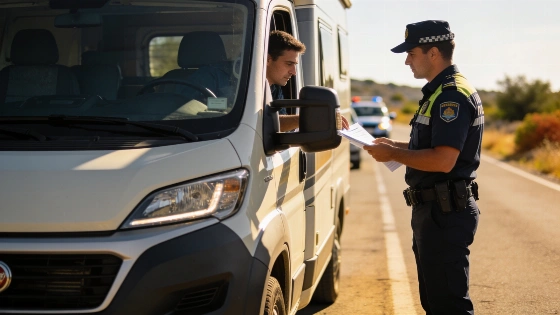
The main change is stepped-up enforcement. Driving with an expired ITV (vehicle inspection) now brings a €200 fine. If your vehicle fails its inspection and you keep driving, the penalty rises to €500, and police can immobilize the vehicle immediately. In that case, the only legal option is to have it towed to a workshop for repairs and a new inspection. Insurance companies will not cover accidents involving vehicles without a valid ITV. Both legal experts and Spanish traffic authorities confirm that police can now detain vehicles without a valid ITV until they pass inspection.
For camperized vans (category N), ITV inspections become mandatory every six months after the vehicle turns ten years old, a stricter schedule than for standard motorhomes.
The DGT’s crackdown follows a sharp rise in motorhome use. Since 2015, the number of registered motorhomes has jumped from 48,000 to nearly 137,000—a 185% increase, according to official figures from March 16. The pandemic accelerated this trend, as families looked for safer, self-contained travel options. Regional governments in Navarra, Extremadura, and Madrid have also encouraged the boom by relaxing local restrictions and clarifying parking rules.
This growth has created new challenges for cities and residents. A 2018 Supreme Court decision gave municipalities the power to limit parking times and ban urban camping, citing concerns about pedestrian movement, road safety, and fair use of parking. Local authorities now use these powers to control where and how long motorhomes, caravans, and campers can park—except in areas marked with the S-128 sign, which indicates a legal waste disposal point for caravans and motorhomes. Spanish media report that police have stepped up enforcement, especially in coastal and natural areas, with fines for illegal overnight parking and camping violations.
Inspection rules have also become stricter. Type M motorhomes are exempt from ITV for the first four years, then require inspections every two years until they are ten years old, and every year after that. Campers and converted vans (category N) face annual inspections for the first ten years, then every six months after that. The Royal Automobile Club of Spain (RACE) reminds drivers that these requirements have been in place since 1987, but enforcement is now much stricter. The DGT also clarifies that parking a motorhome is not considered camping unless awnings, tables, or supports are set up, which can lead to extra fines.
Recent judicial and municipal decisions have expanded the authority of local governments to impose stricter parking and camping restrictions on motorhomes. Following a Supreme Court ruling, municipalities now have greater freedom to limit parking duration and prohibit urban camping for reasons of safety and public space management.
Missing an ITV deadline has immediate consequences. An expired inspection is not just a paperwork issue—it’s a legal violation with real financial risks. If you have an accident while your ITV is expired, you may have to pay for damages yourself. The DGT allows a two-month window to fix the problem, but after that, the risk of immobilization and heavy fines increases. However, according to Spanish insurance and legal sources, an expired ITV does not automatically cancel third-party liability insurance, though it can still cause problems if you need to make a claim.
As more motorhomes appear on Spanish roads, infrastructure is struggling to keep up. New facilities need to provide proper waste disposal and clear signs, but many towns are still adapting. Spain is not alone in facing these issues; similar debates are happening elsewhere in Europe, as noted in a recent report on changes in the automotive sector.
The DGT’s new rules are here to stay. Owners who ignore ITV deadlines or local parking limits now face real consequences. For those who keep up with the requirements, travel by motorhome is still possible—but only by following the new regulations. Spanish authorities have made it clear: the motorhome boom will not come at the cost of road safety or public order.