A 4.7-magnitude earthquake struck the Naples region, injuring 21 people and causing significant disruption. Authorities evacuated families and set up emergency shelters. The area experienced over 60 aftershocks overnight.
A powerful earthquake measuring 4.7 on the Richter scale hit the province of Naples on Friday evening, resulting in 21 people injured, including two in critical condition. The tremor, which struck at 19:46 local time with its epicenter in Pozzuoli, was the most severe seismic event recorded in the Campi Flegrei area in four decades. The shock was felt not only in Naples but also in several neighboring municipalities, prompting immediate emergency response.
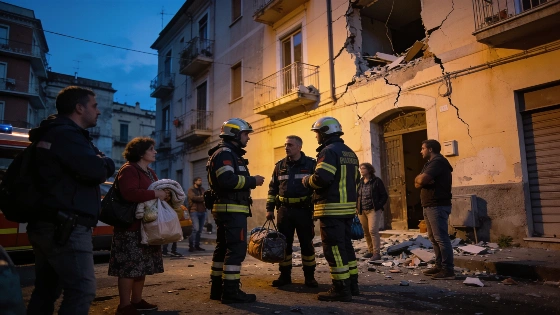
According to Italy's Civil Protection, the earthquake triggered a series of approximately 60 aftershocks throughout the night, keeping residents on edge and complicating rescue operations. Sismographs registered ongoing seismic activity, with numerous smaller tremors detected after the main event. The quake caused partial collapses and structural damage in multiple buildings, leading authorities to evacuate more than 20 families as a precaution. Local media reported that some structures suffered visible cracks and debris, raising concerns about further instability.
To support those affected, officials quickly established a temporary shelter in Pozzuoli with capacity for up to 185 people. Emergency teams worked through the night to assess damage and ensure the safety of residents. The Campi Flegrei region, located between Mount Vesuvius and a vast volcanic caldera, is known for its high seismic risk. The area has long been monitored for bradyseism, a geological phenomenon involving gradual ground uplift due to the accumulation of gases and magma beneath the surface.
Before this latest incident, the most significant earthquakes in the Campi Flegrei zone occurred in March and June 2025, both registering magnitudes of 4.6. The recent quake has renewed attention on the region's vulnerability to natural disasters and the importance of preparedness. In the context of extreme weather and natural events affecting southern Europe, it is worth noting that other regions have also faced severe disruptions, such as the recent hailstorm in Valencia that caused widespread damage to crops and infrastructure.
Italy's seismic monitoring agencies continue to track activity in the Campi Flegrei area, warning that further aftershocks remain possible. The region's unique geological structure, with its network of craters and history of volcanic activity, makes it one of the most closely watched zones in the country. For residents and authorities alike, the latest earthquake serves as a reminder of the ongoing risks and the need for robust emergency planning in areas prone to seismic and volcanic hazards.