A new scientific review uncovers how drivers slow down before visible speed cameras only to accelerate immediately after, a behavior dubbed the 'kangaroo jump.' The study finds section speed cameras are far more effective at curbing this risky pattern and improving road safety.
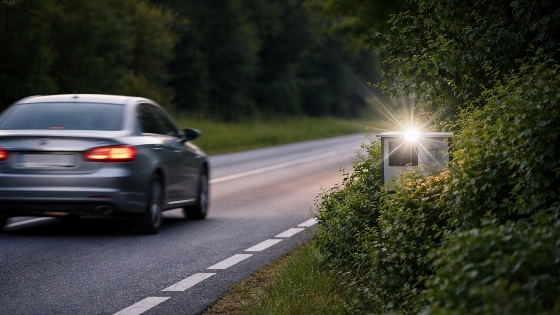
Drivers in Spain are adapting to the presence of speed cameras in ways that undermine their intended purpose. According to a comprehensive scientific review, many motorists sharply reduce their speed just before reaching a visible radar, only to accelerate again as soon as they pass it—a pattern researchers now call the 'kangaroo jump' effect.
This behavior, observed across numerous studies, highlights a key limitation of traditional fixed or mobile speed cameras. While these devices are meant to enforce speed limits and enhance road safety, their visibility often leads drivers to treat them as isolated obstacles rather than as part of a broader safety system. The result is a temporary drop in speed, followed by a rapid return to previous driving habits, sometimes even exceeding the original pace to 'make up' for lost time.
Spain currently operates more than 3,600 speed cameras, both fixed and mobile, across its road network. The main goal, as set by the DGT, is to encourage compliance with speed limits. The review, published in Science Direct, analyzed 94 studies from various countries and found that speed cameras do reduce average speeds—by about 7.6 km/h on average. However, the effect is often short-lived when cameras are easily spotted.
Section Cameras Break the Cycle
Researchers found that the most effective solution to the 'kangaroo jump' is the use of section speed cameras, which measure a vehicle's average speed over a stretch of road rather than at a single point. This approach makes it much harder for drivers to game the system by braking and accelerating, as maintaining a steady, legal speed is the only way to avoid penalties.
Uncertainty also plays a role. When drivers are unsure where cameras are located—such as with hidden or less visible radars—they tend to drive more cautiously over longer distances. This leads to a more consistent reduction in speed and better compliance with traffic laws. The study notes that section cameras are particularly effective on fast interurban roads, near schools, and in construction zones. Heavy vehicles, in particular, show higher rates of compliance, especially under poor weather conditions or with clear signage and ongoing enforcement programs.
Public perception of these systems is also evolving. Surveys indicate that many drivers admit to changing their behavior in the presence of speed cameras, and acceptance of these measures is relatively high, especially among older drivers and women.
While the debate over the best approach to speed enforcement continues, the evidence suggests that section speed cameras offer a practical way to reduce dangerous speed fluctuations and improve overall road safety. As the technology evolves, Spain's experience may offer lessons for other countries seeking to address similar challenges. For those interested in how automotive technology is shaping the future, recent developments in electric vehicles, such as Porsche's plans for the 718 Boxster and Cayman, also reflect the ongoing transformation of road safety and mobility. More details on this shift can be found in this report on Porsche's electric strategy.
In summary, the study underscores that while speed cameras do have a measurable impact, their true effectiveness depends on how and where they are deployed. Section cameras, by targeting average speed over distance, appear to be the most promising tool for curbing the 'kangaroo jump' and fostering safer driving habits on Spanish roads.